

Platform / Tmall

Four lanes, one Tmall brief. AIGC, at scale.

Store. Detail pages. Campaigns. Ad creative.

hubStudio makes four kinds of work for Tmall. The flagship store itself, designed module by module. Product detail pages, the main images and the long scroll, on every SKU. Campaign creative for 618, Double 11 and Chinese New Year. And ad creative built to feed Alimama.

It all runs off a single brief. One creative direction goes in, and the work comes back sized and cut for every surface a Tmall store has. The AI works inside a real production company. That is the part most studios skip.

Hong Kong + Shanghai / Tmall-native creative under one director

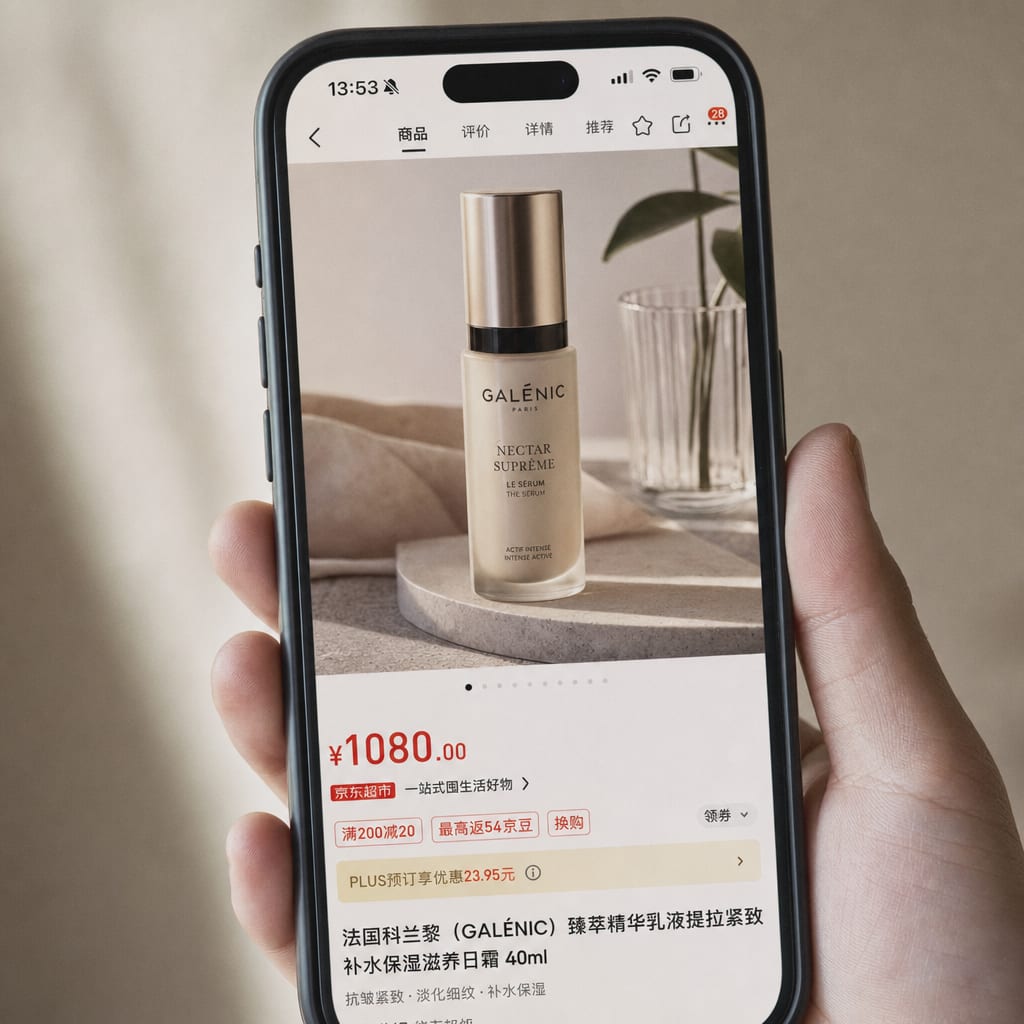
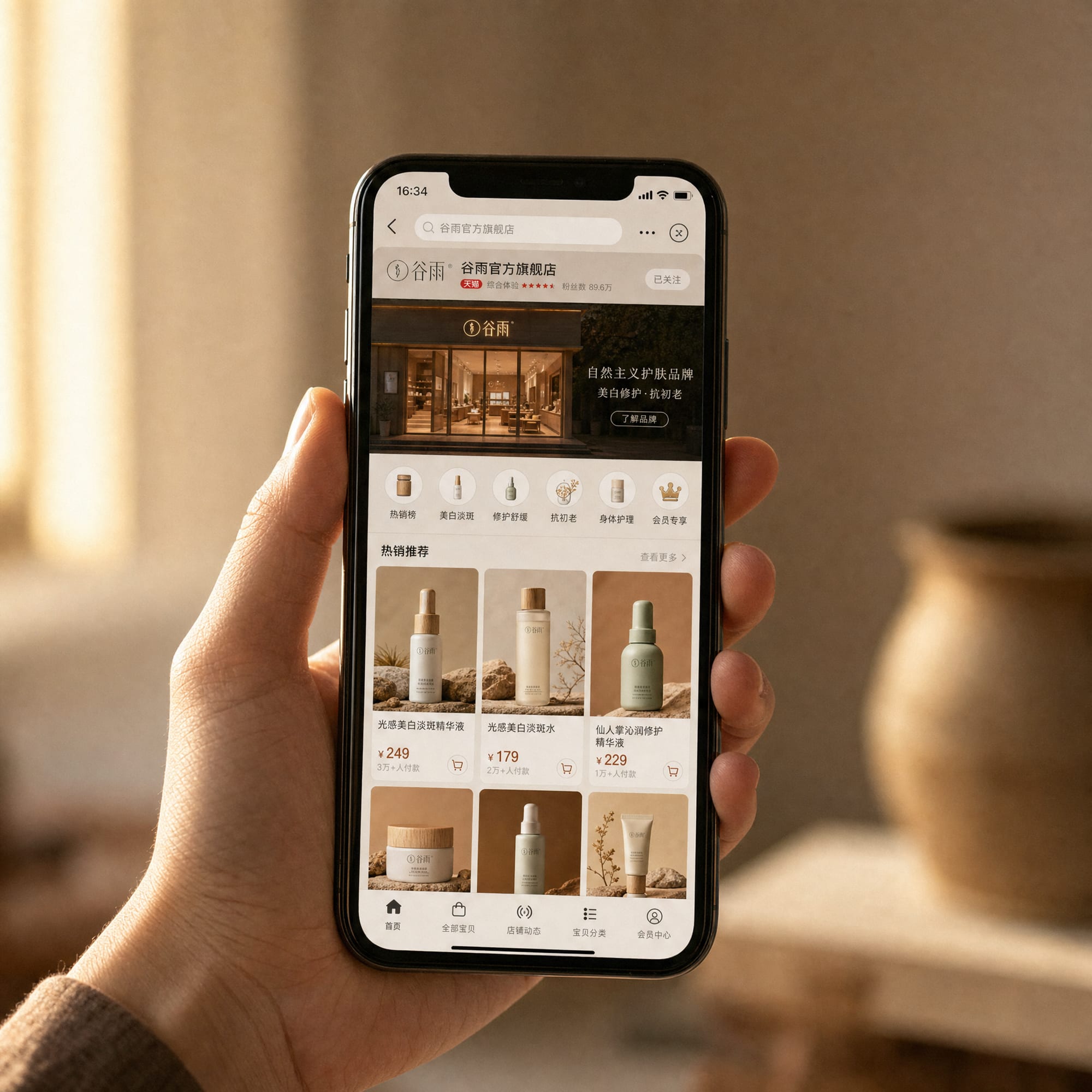
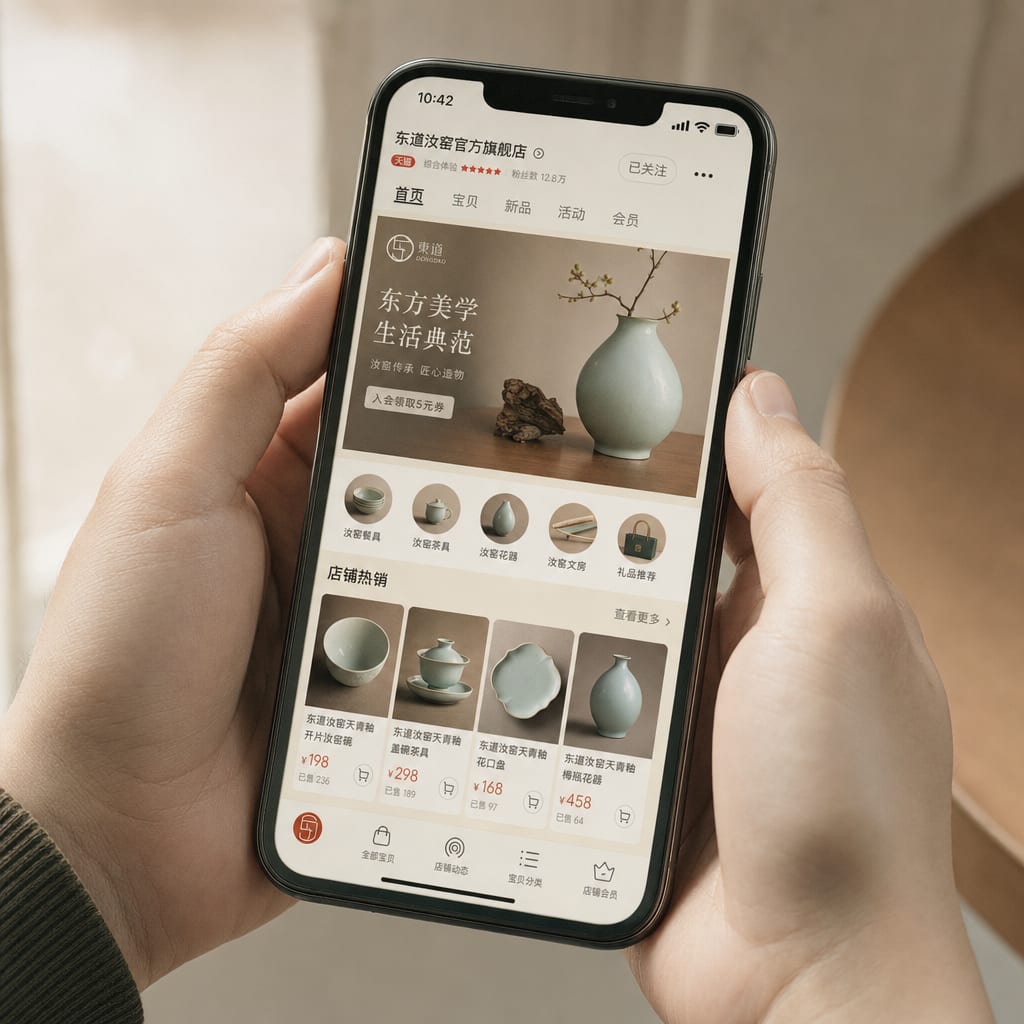
A close editorial portrait of a hand holding a phone in warm rim light, the phone screen filled with a Tmall flagship store homepage, a wide storefront banner above a category navigation strip and a grid of product cards. Platform work / Tmall

Why it matters

What we ship
into Tmall.

Most brands run their Tmall creative as a set of separate jobs. A storefront vendor here, a detail-page shop there, a festival agency for 618 and Double 11, and another team again on the Alimama ad creative. Four vendors, four invoices, four slightly different versions of one brand.

hubStudio keeps all four under one roof and one creative director. The storefront, the detail pages, the campaign creative and the ad creative come off the same brief, take the same color grade, and pass the same pair of eyes before they ship. The work holds together because the team behind it does.

A wide editorial shot of two designers at a daylit Shanghai studio table, four laptop screens lined up showing a Tmall flagship store homepage, a product detail page, a Double 11 campaign venue page and an Alimama ad creative library, one per service lane.
Four lanes, one creative direction

One Tmall brief runs all four lanes. The same studio hands finish every variant, and the first cut on a main image or an ad comes back within two days.

0 Lanes we ship Store, detail pages, campaigns, ad creative
0+ Variations per concept From one signed-off master
0h Brief to first cut On main images and ad creative

The work, defined

Four lanes, one brand line.

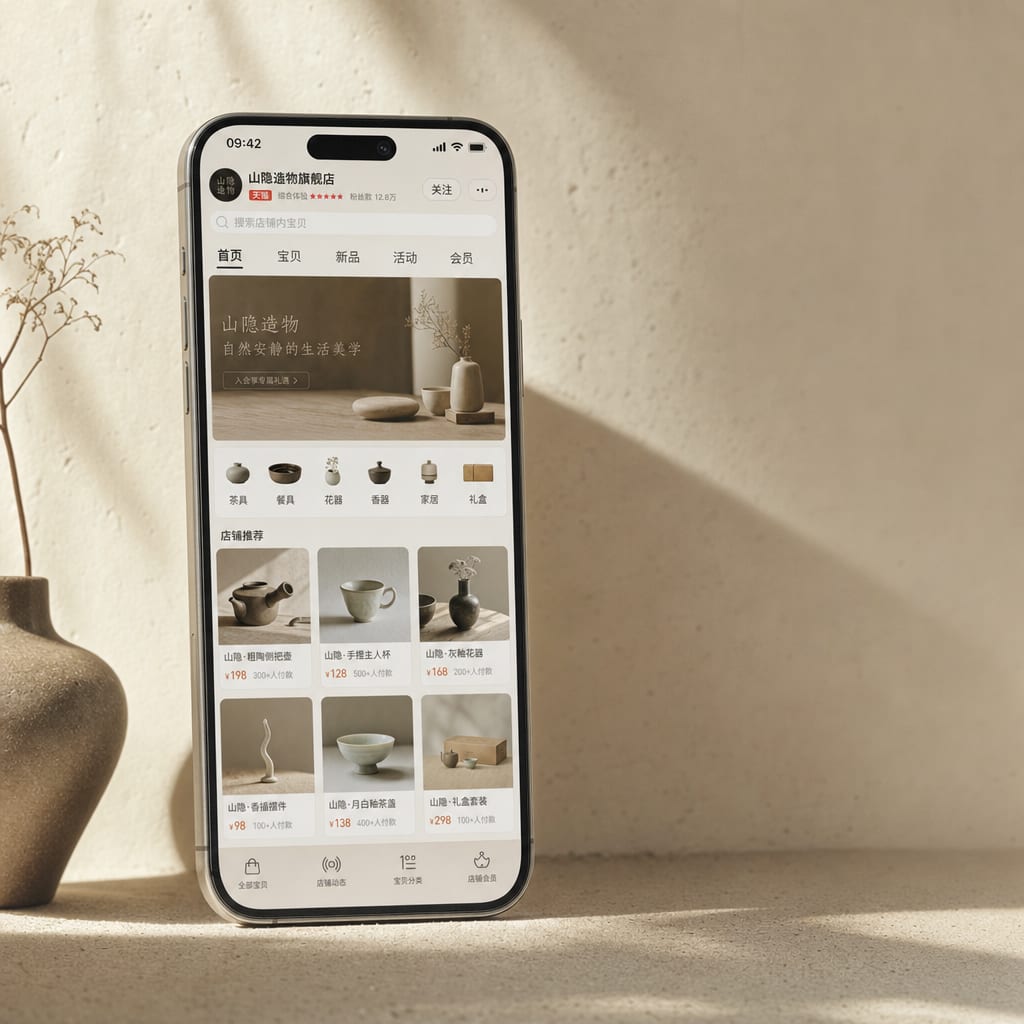
A phone held in both hands, the screen filled with a Tmall flagship store homepage, a wide brand banner, a category navigation strip and a grid of product cards, the marketplace navigation bar visible along the bottom.
Store lane

Lane

Store. The flagship storefront.

The Tmall flagship store itself, designed module by module to the standard of a brand site, not a marketplace template.

A flagship store is a homepage, and most of them are run like a notice board. We design it as one piece: the storefront banner and its seasonal swap, the category navigation, the brand-story module, the new-arrival and best-seller rails, the coupon and membership blocks. Each module is composed for the brand, then built to the structure the Tmall store editor expects, ready to drop in.

A creative director signs off the storefront the way they would sign off a campaign hero, and the same hands that finish a launch image finish the everyday category tile. That is how a store stays on-brand while the merchandising team swaps modules in and out all year.

In scope

  • Storefront banners
  • Category navigation
  • Brand-story modules
  • New-arrival rails
  • Best-seller rails
  • Coupon blocks
  • Membership modules
  • Seasonal refresh
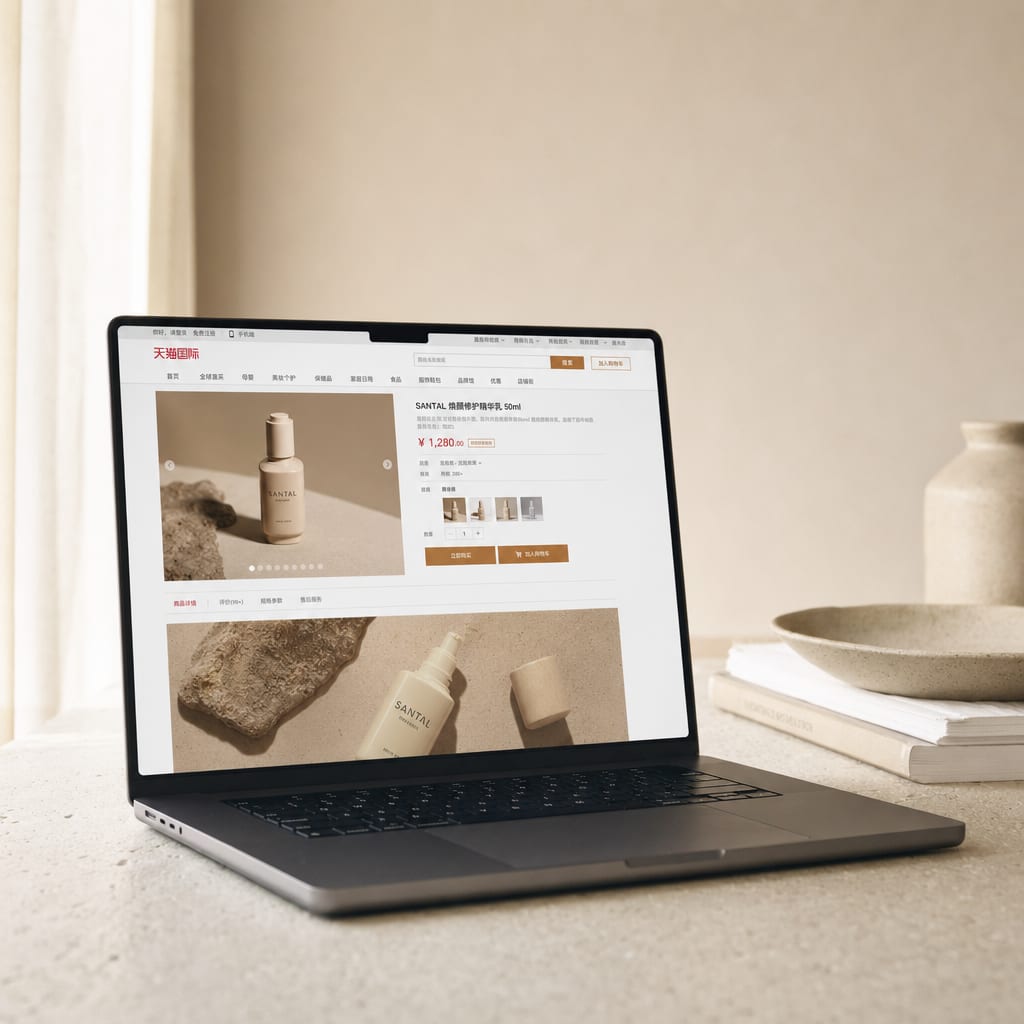
An open laptop on a studio desk, the screen showing a Tmall product detail page, a five-image main carousel on one side, a price block and SKU swatches on the other, a long scroll of product photography running below.
Detail pages lane

Lane

Detail pages. Main images and the long scroll.

The full product detail page, authored end to end: the five main images, the long-scroll detail, the SKU block, every product.

The detail page is where a Tmall sale is won or lost, and it has two halves. The five main images carry the search thumbnail and the first impression, so they are built as a set, each one earning the next tap. The long-scroll detail page then does the selling: editorial product photography per angle and per variant, benefit-led copy, the spec table, the size and fit block, a short demo video. Every SKU gets the same treatment, whether the catalog runs to twelve products or twelve thousand.

It is templated, not hand-built one page at a time. We lock the detail-page treatment once, train custom models on your products, and the catalog runs through the same pass after that. The first detail page costs real money. By the thousandth, the cost barely shows up, and it still looks like the first.

In scope

  • Five main images
  • Long-scroll detail
  • Product photography
  • Variant galleries
  • Spec tables
  • Size and fit copy
  • SKU blocks
  • Detail-page video
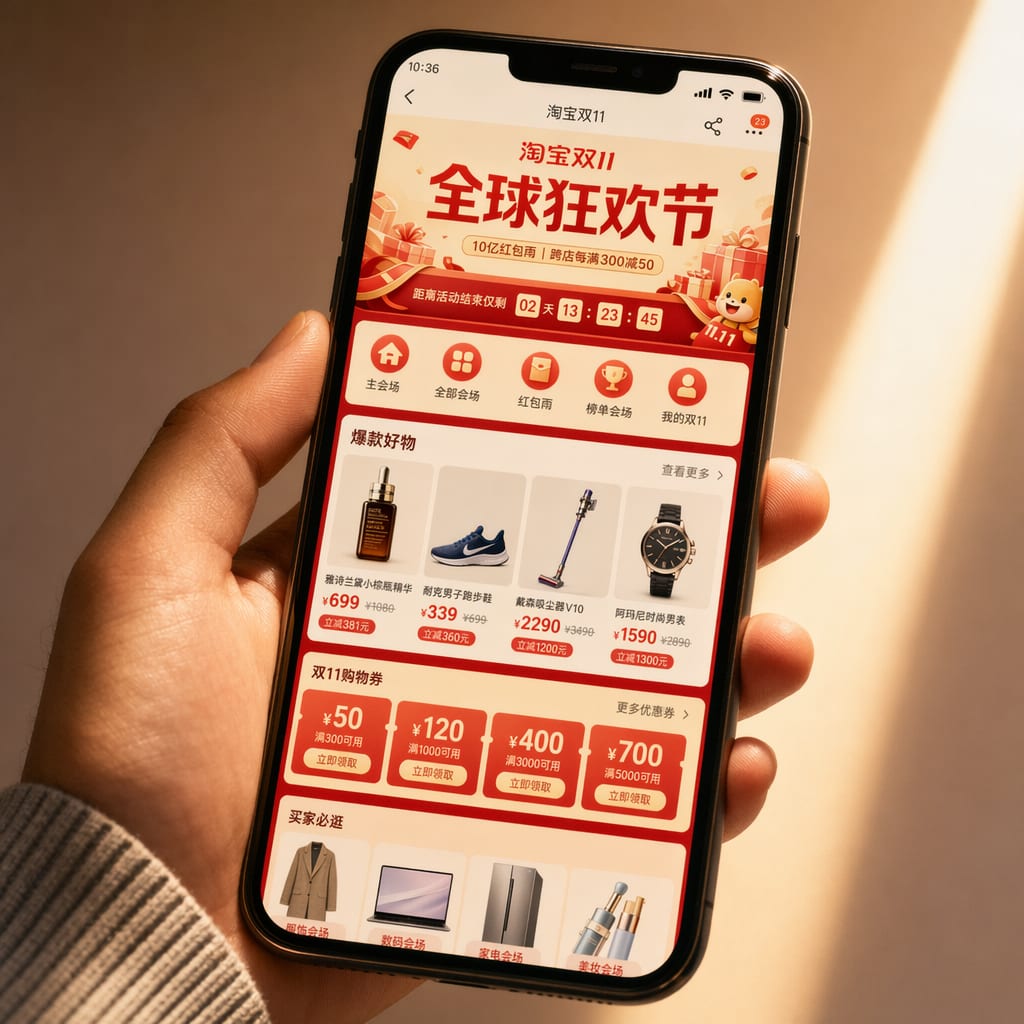
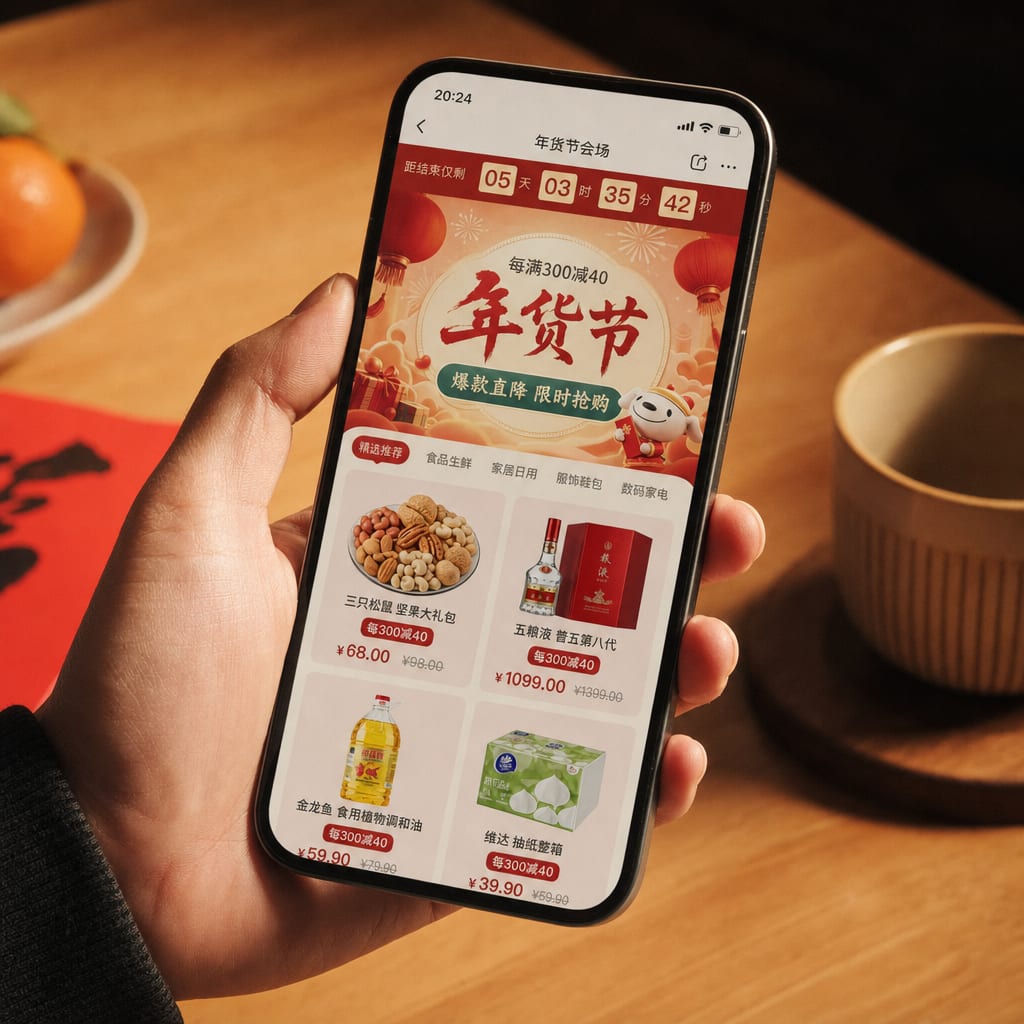
A phone screen showing a Tmall Double 11 campaign venue page, a bold festival banner with a countdown strip above a grid of discounted product tiles and coupon modules.
Campaigns lane

Lane

Campaigns. 618, Double 11 and the festival calendar.

Festival creative for the big Tmall shopping events, briefed, built and refreshed end to end.

A handful of dates carry most of a Tmall year: 618 in summer, Double 11 in the fall, Chinese New Year and the smaller festival sales in between. Each one needs its own creative pass: the pre-sale page, the campaign venue tiles, the countdown banners, the coupon and deposit modules, and a festival refresh of the storefront and the detail pages. We build the whole kit to the event calendar, so the store is dressed for the date before the traffic arrives.

Festival creative is a volume problem with a hard deadline, and we staff it that way. The hero look is signed off early, then the variant cascade covers every tier and every category in the campaign. When a date moves or a deal changes, the refresh comes back the same week.

In scope

  • Pre-sale pages
  • Campaign venue tiles
  • Countdown banners
  • Coupon modules
  • Festival storefront
  • Festival detail pages
  • 618 and Double 11
  • Seasonal refresh
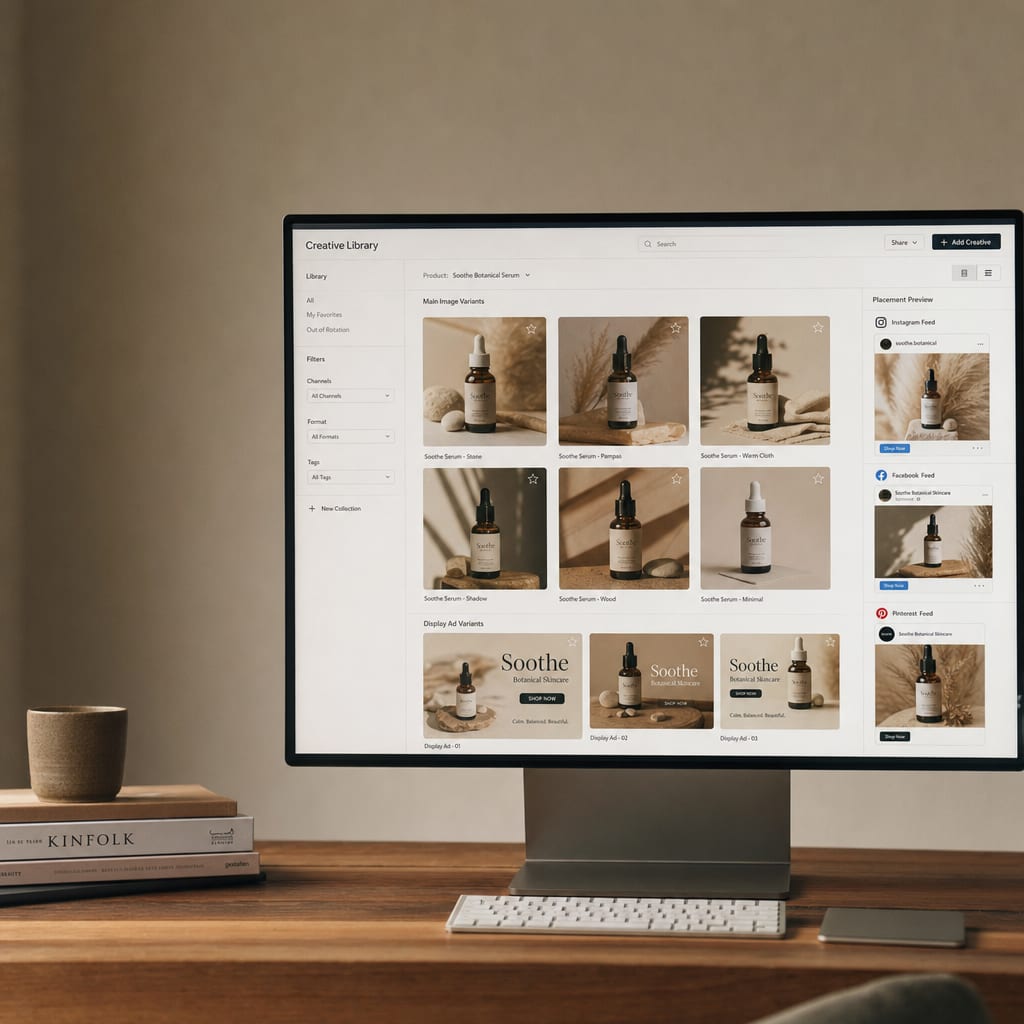
A wide monitor showing an Alimama ad creative library, a grid of Tmall search main-image and display ad variants lined up in the placement preview panel.
Ad creative lane

Lane

Ad creative. Built for Alimama.

Paid creative for every Alimama surface, produced at the volume the auction actually rewards.

On Tmall search the ad creative is the main image, so it carries more weight here than almost anywhere else. We build it for the full Alimama set: Zhitongche search placements, Yinli Mofang display, Wanxiangtai units. We brief each against the placement set the media team is buying, cut it to every ratio and crop the auction will take, and name the files so the reporting still reads clearly a month later.

Conversion frames, scene swaps, hook tests, retargeting cuts: all of it gets the same studio finish. The buying systems learn faster the more variants they have, so we produce the format range they need. The fiftieth variant still looks like the campaign, not a tired copy of it.

In scope

  • Zhitongche creative
  • Yinli Mofang display
  • Wanxiangtai units
  • Search main images
  • Scene-swap variants
  • Hook A/B testing
  • Retargeting cuts
  • Conversion frames

Contact sheet

Selected frames.

Storefront, detail page and campaign stills produced through the studio pipeline. Every frame is authored work, sized for the surface it ships on.

A vertical phone held in soft window light, the screen filled with a Tmall flagship store homepage, a wide storefront banner above a category navigation strip and a grid of product cards in warm editorial tones.
Store · Flagship homepage
A phone screen showing a Tmall product detail page open on the main image carousel, a single editorial product photograph with small image-position dots and a price block visible beneath it.
Detail pages · Main image
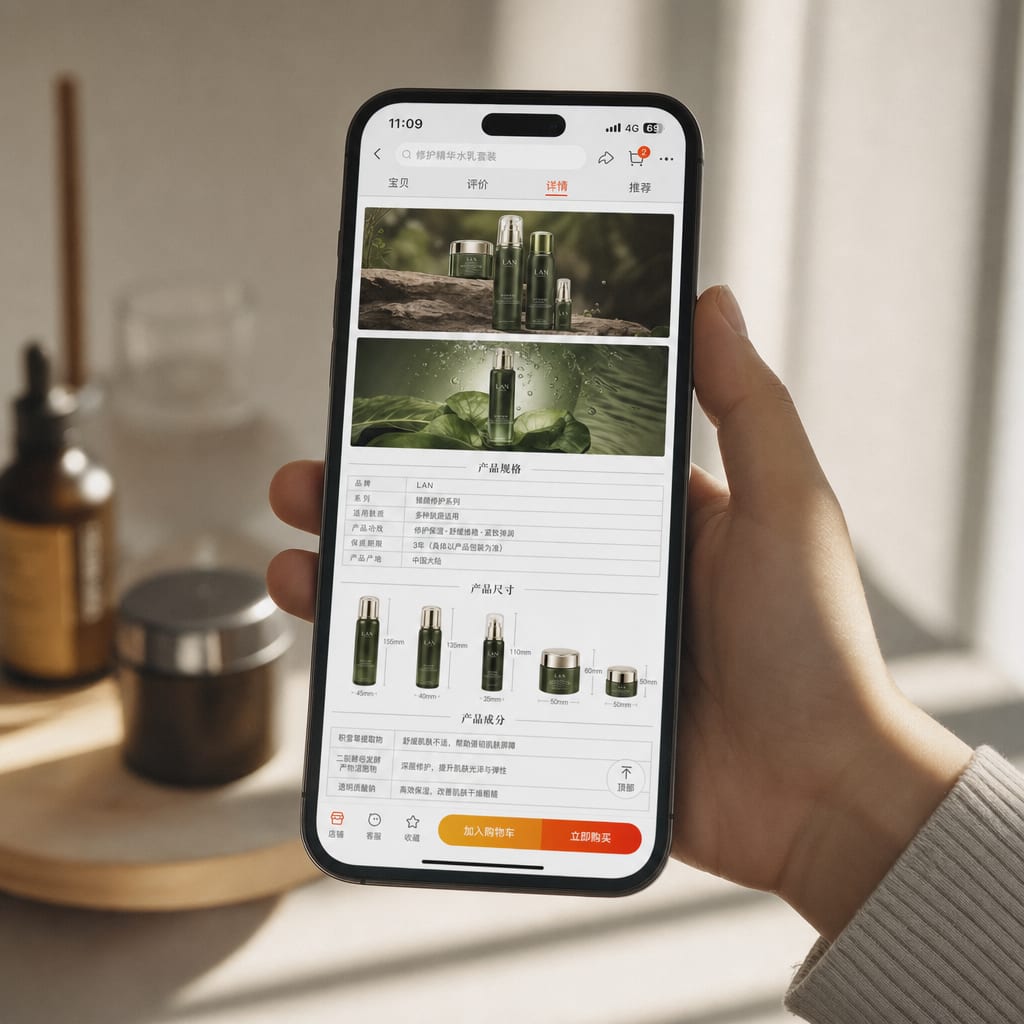
A phone held vertically, the screen showing the long-scroll section of a Tmall product detail page, stacked editorial product photographs, a spec table and a size block running down the interface.
Detail pages · Long scroll
A phone screen showing a Tmall Double 11 campaign venue page, a bold festival banner with a countdown strip above a grid of discounted product tiles and coupon modules.
Campaigns · Double 11 venue
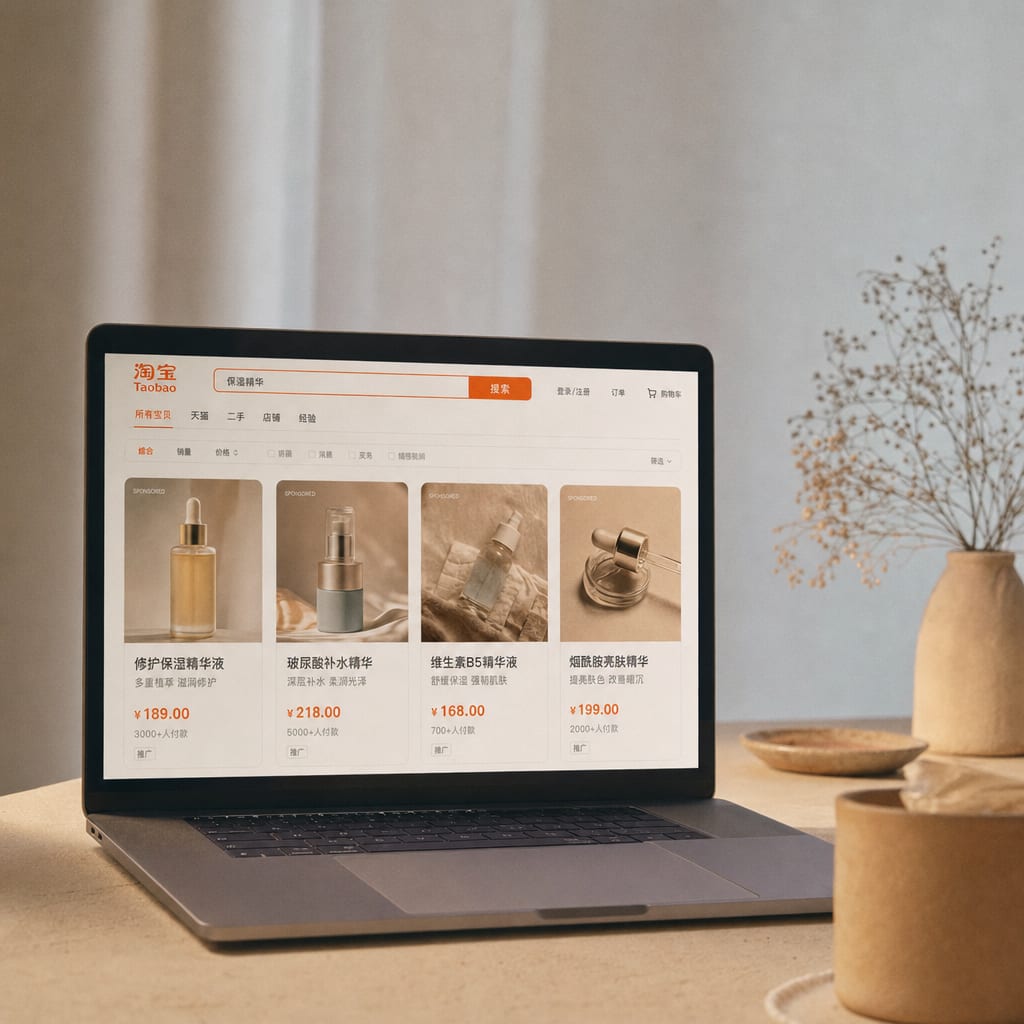
A laptop screen showing a Tmall search results page, a row of sponsored Zhitongche product cards each carrying a main image, a price and a small promoted label.
Ad creative · Zhitongche
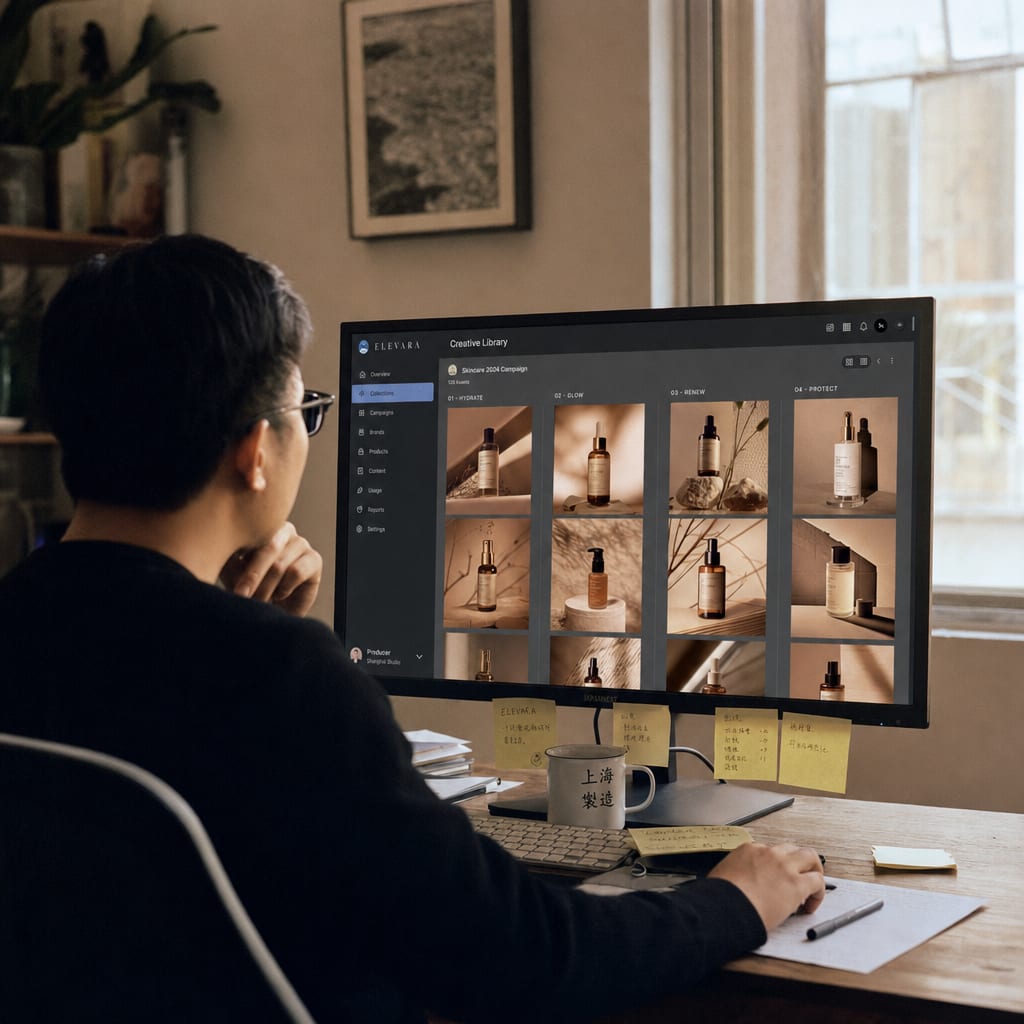
A producer at a wide reference monitor showing an Alimama ad creative library, four columns of Tmall storefront, detail page, campaign and ad variants arranged in a grid.
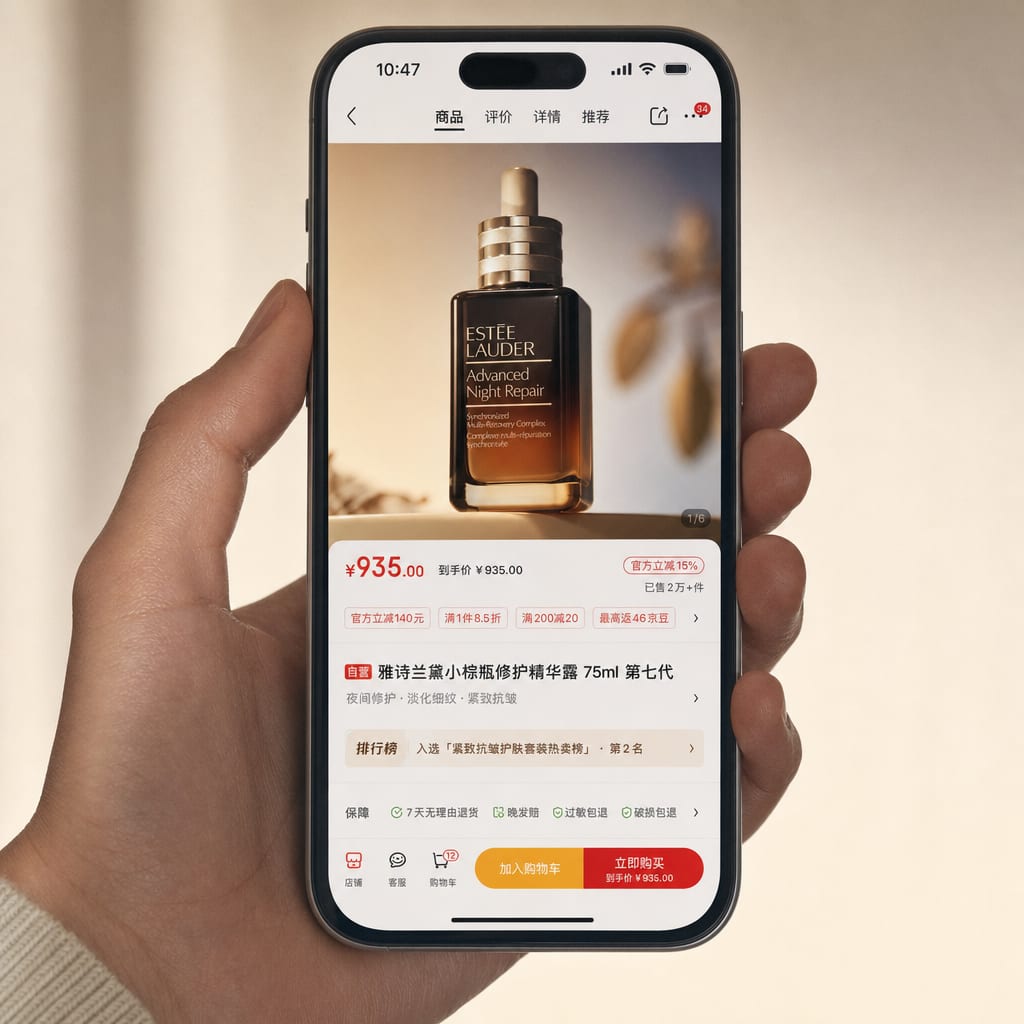
A close cinematic detail of a hand holding a phone vertically against a soft cream background, the screen filled with a Tmall product detail page, the main image, price block and buy button visible.
1 brief Four lanes, every surface, every market

Partnership

Authored creative, AI volume.

The brands compounding their results on Tmall are not the ones with the biggest tool subscription. They are the ones who kept a real creative process and put AI to work inside it.

That gap is where we sit. On one side, directors, retouchers and colorists. On the other, the AIGC engineers and the model-training pipeline. They share a room, which is why the thousandth detail page gets signed off as carefully as the first.

  • Private GPU infra
  • NDA & DPA
  • EU AI Act
  • Data sovereignty

Everything runs on our own infrastructure. Hosting sits in mainland China, Hong Kong, the EU or the US, wherever your data rules point. The models we train on your brand and your products belong to you, and you can take them along if the relationship ever ends.

Some brands hand us the whole Tmall storefront. Others just want the festival creative. Both are fine by us.

How a Tmall build runs

One brief,
every surface.

Storefront modules, detail pages, campaign creative and ad creative share the same brand line, and the same process. The surface changes from one lane to the next; the discipline under it does not. Most of what decides whether the work lands happens early, long before launch day.

The first two steps decide the campaign. Everything after is execution.

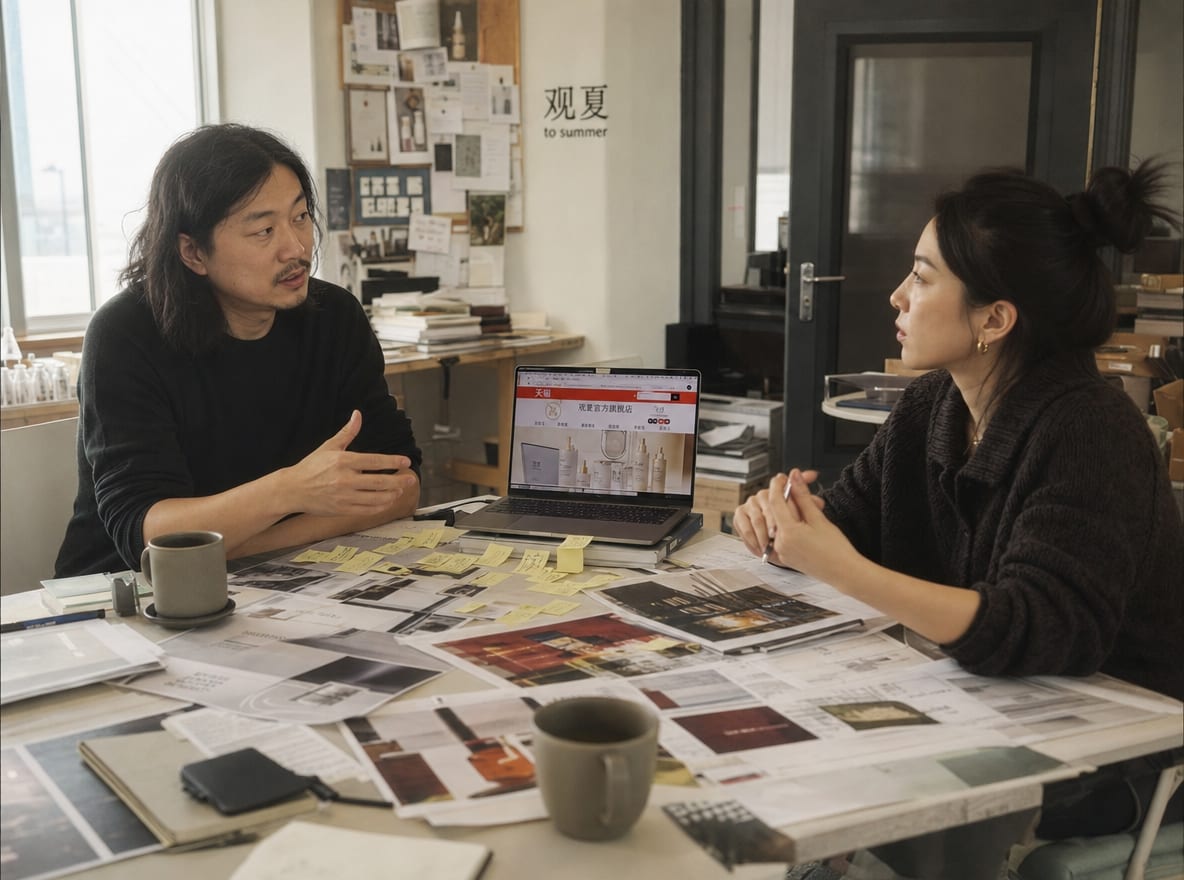
A creative director and a brand lead at a Shanghai studio table, a laptop between them showing a Tmall flagship store page alongside printed product detail pages and main-image mocks.
Where it is won

Discovery and brief.

One working session. We lock the goal, the catalog, the Tmall surfaces in scope, the brand truth and the things you never want to see. You leave with a one-page strategic brief and an asset map, sorted by surface and by service lane.

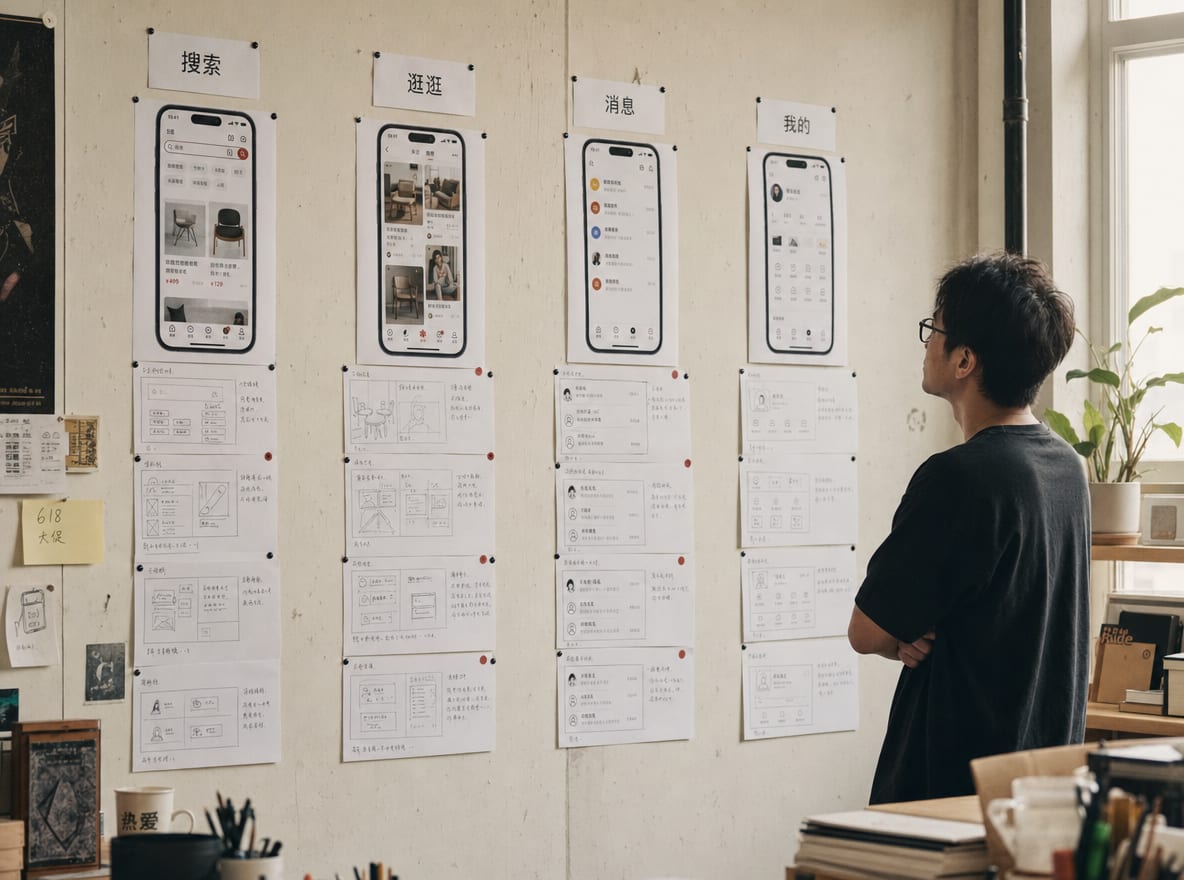
A storyboard wall in a Shanghai studio with four columns of frame sketches labeled Store, Detail pages, Campaigns and Ad creative, each column anchored by a printed Tmall phone mock.
Where it is won

Creative direction across the four lanes.

References go on the wall, the tone gets named, the storefront and detail-page treatment takes shape, and we pick the AIGC models that suit each lane. Store, detail pages, campaigns and ad creative each get their own treatment. This is the step that makes a store yours and not a marketplace template.

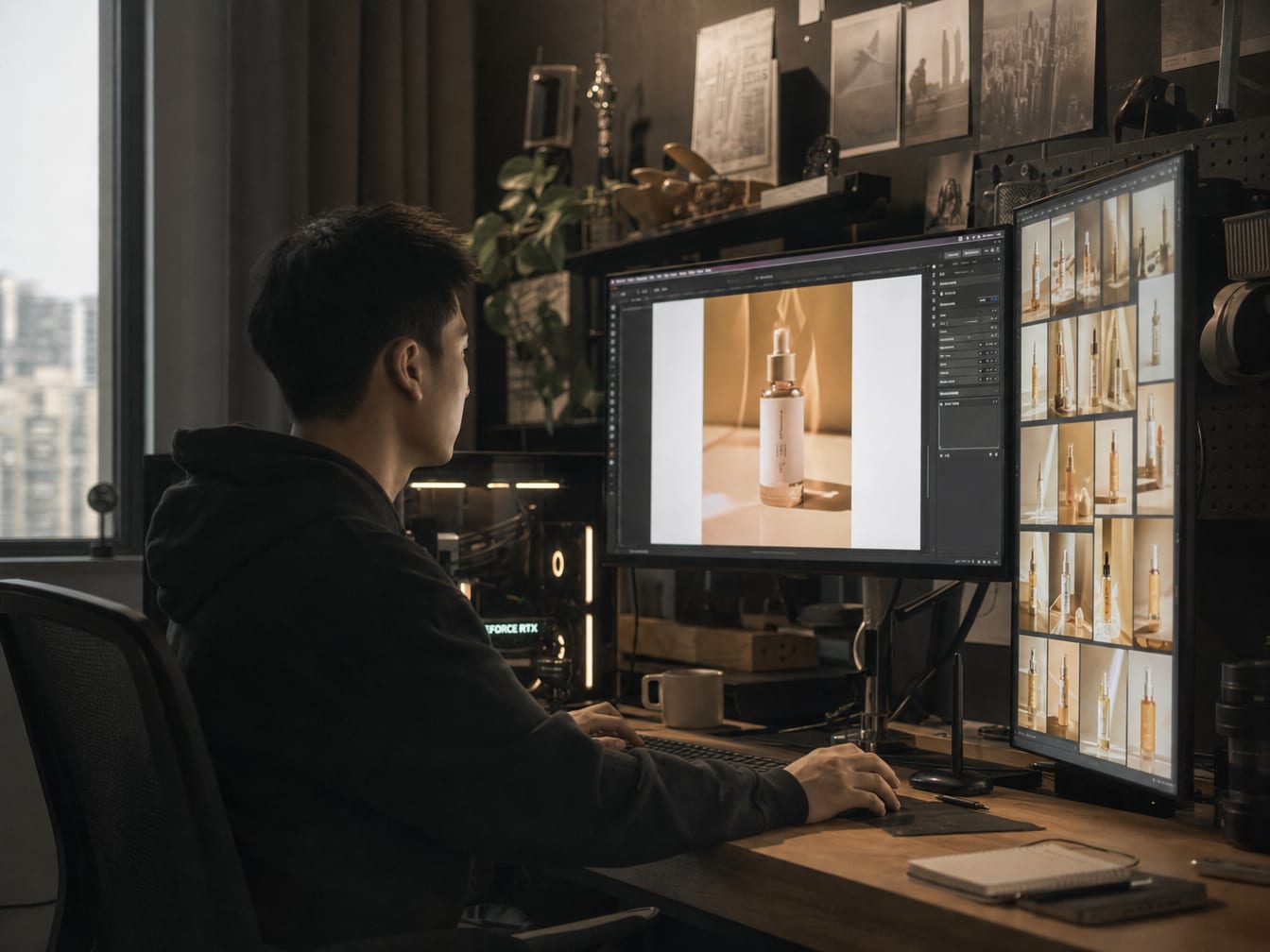
A motion designer at a calibrated workstation in a Shanghai studio, the main monitor showing a single Tmall product main image in retouch, the side panel showing a grid of generated product variations.
The rest is execution

AIGC generation and authored finish.

Now the volume gets made, lane by lane, surface by surface. Nothing reaches a media plan or a store editor until it has cleared the retouch bench and the brand check.

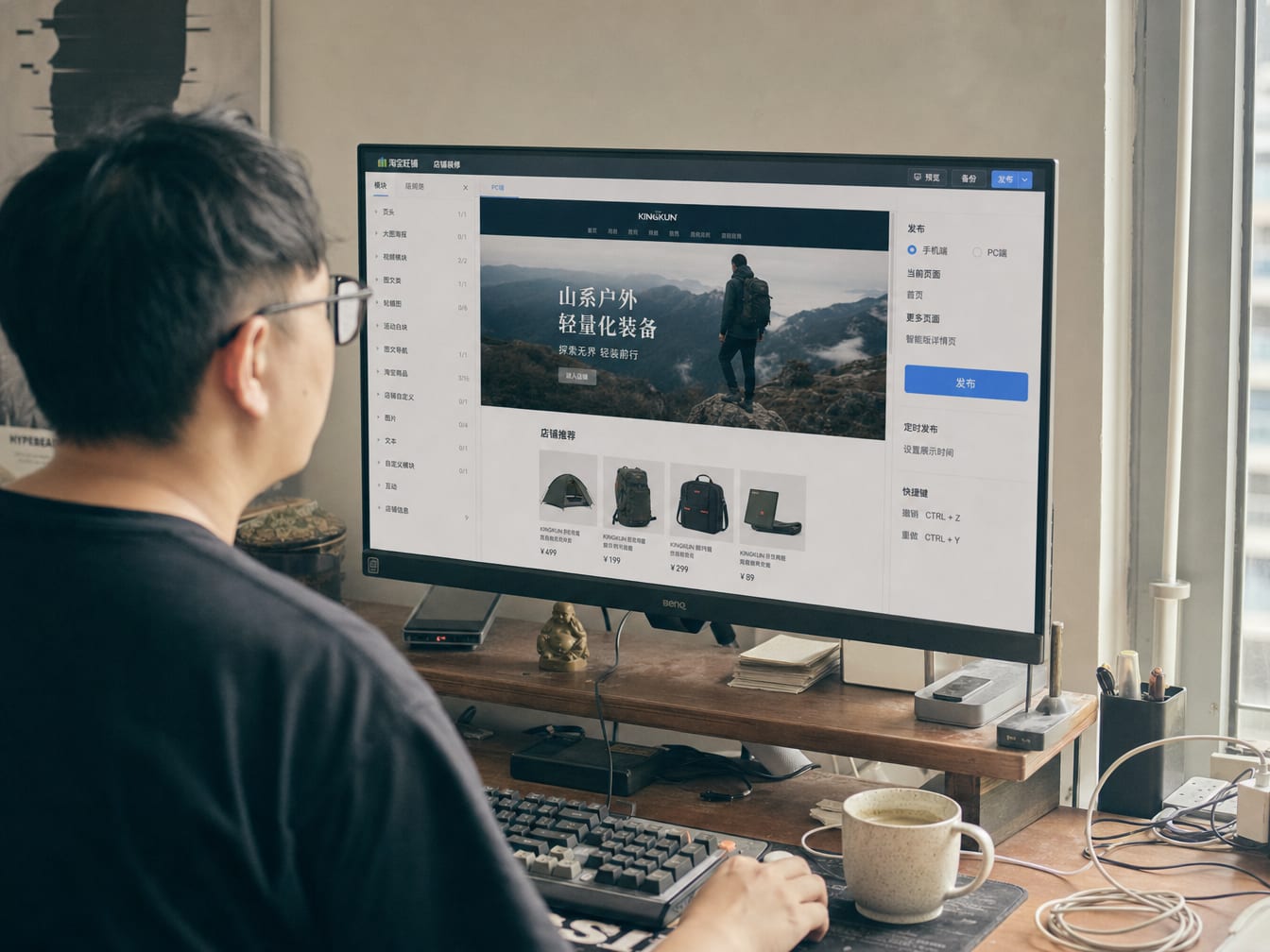
A web producer at a daylit Shanghai studio desk, the calibrated monitor showing a Tmall store editor with a list of storefront modules and a publish panel.
The rest is execution

Launch. Per-surface, per-market.

Files go to the operations and media teams in the structure Tmall actually serves: storefront modules built to the store editor, detail pages and main images sized to spec, ad creative named for Alimama. The naming matters more than it sounds. It is what keeps the reporting readable once the campaign is live.

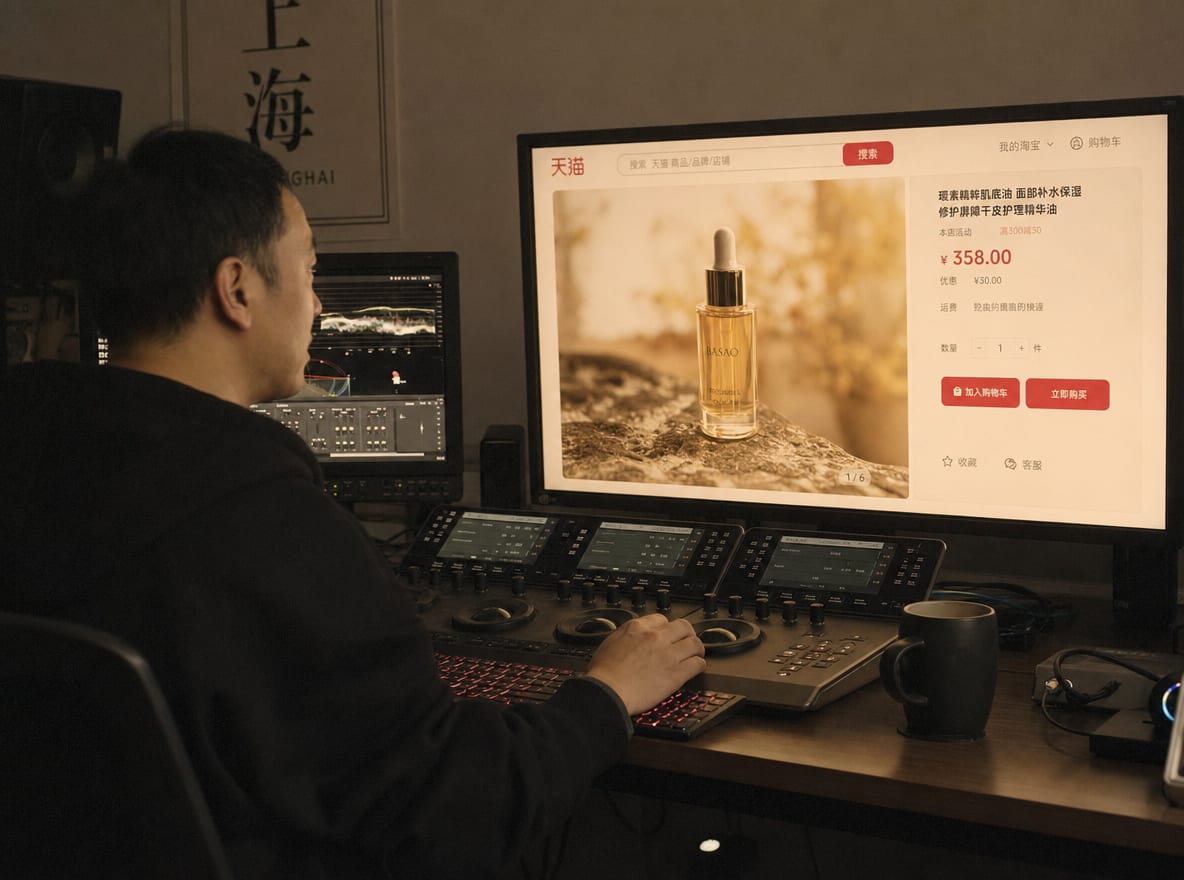
A colorist at a calibrated grading suite in a Shanghai studio, the main reference monitor showing a warm Tmall product photograph paused inside a detail-page layout, the price line and buy button visible at the screen edges.
The rest is execution

Adapt. Variants, refresh, season.

Once the hero is approved, new variants come fast: a new SKU, a new category, a different festival, a seasonal swap. The original brief still holds. You are adding to it, not starting over.

Four lanes, one studio. Store covers the flagship storefront, designed module by module: banners, navigation, brand-story and product rails. Detail pages cover the five main images and the long-scroll detail page on every SKU. Campaigns cover the festival creative for 618, Double 11 and Chinese New Year, pre-sale pages and venue tiles included. Ad creative covers the paid units built for Alimama. The four lanes share one creative direction and one finishing pass, so a brand can hire a single lane or all four and the work still matches.

The catalog is templated, not hand-built one page at a time. We lock the detail-page treatment once: the photography setup, the main-image grid, the copy framework, the spec-table layout. Then we train custom LoRA models on your products and your brand. After that, the page count stops mattering. A product added in month six runs through the exact same pass as the one we built on day one, so a shopper cannot tell which pages are old and which are new.

The full festival kit. The pre-sale page, the campaign venue tiles, the countdown banners, the coupon and deposit modules, and a festival refresh of the storefront and the detail pages so the whole store is dressed for the date. We build to the event calendar, sign off the hero look early, then run the variant cascade across every tier and category. It does not cover the media booking or the deal mechanics; whoever runs your store places the promotion, and we supply the creative that fills it.

Yes, and volume is where this model earns its keep. One hero shoot or one AIGC sprint produces the master, and after that variants for new placements, audiences and scenes land within days. Zhitongche, Yinli Mofang and Wanxiangtai all want format diversity, and the buying systems learn faster the more variants they can read. The first variant is the expensive one. By the sixtieth, the cost per cut is close to nothing, and the models we train keep all of them on-brand.

The hero concept gets signed off once, during the direction step. From there, every variant in every lane goes through the same retouch bench and the same color grade, then a brand-safety check before it ships. That shared finish is the reason the storefront, the detail pages, the campaign creative and the ad creative read as one brand instead of four that happen to share a logo.

For a brand we already know, a main image or a detail page can go from brief to first cut in 24 to 72 hours. A new brand or a new catalog needs a one-time onboarding first, to lock the templates, train the models and set the treatment per lane. After that, weekly drops at production quality are a comfortable pace, and a festival kit is planned back from the event date.

We price by project, and usually by lane, so a brand can start with one and add the others later. What it costs depends on how many surfaces are in scope, how much volume the campaign calendar needs, and whether we are training new product or brand models from scratch. Send a brief and a scope, and a quote comes back inside two days, with no obligation to go ahead.

Yes. We ship the work in the structure Tmall expects: storefront modules built for the store editor, detail pages and main images sized and sliced to the platform spec, ad creative named for Alimama. You get finished, ready-to-publish assets, not a folder of raw exports for your operations team to rebuild.

Every file goes through a studio finish: dodge and burn, grain, a little chromatic aberration, a color grade in Lightroom or Capture One. Our image style guide names the usual giveaways, the poreless skin, the identical bokeh, the jewelry that melts into a hand, the text that is almost but not quite words. A person checks the final frame against that list before it ships. That last pass is what separates an AI image from a campaign image.

Yes. A good share of our Tmall work ships under agency and TP-partner brands, with full white-label delivery and a confidentiality agreement in place. The agency or the operator keeps the client relationship and the store account. We supply the production capacity behind it.

You do. Every finished asset, every master file, and any LoRA or fine-tuned model we train on your brand or your products belongs to you. Commercial rights for the AI outputs run through enterprise tiers that grant commercial use. The Copyright and AI guide covers the legal detail.

Try us

Send the Tmall brief.
Back in 48 hours.

You get a recommendation for each surface, a rough scope and timeline, and a couple of sample main images or detail-page frames, made for free, so you can see how we think before any money is on the table.