
Design service / Concept Creation

Campaign concepts. In days.

Pressure-tested early. Not after the deck.

Most concept work dies in the deck. Three rounds in, no one can tell the routes apart, and the route that ships is the fourth version of an idea that was in the room in week two.

We moved visualization into week one. By the time the deck lands in the boardroom, the routes look like routes. And the room can actually pick one.

Senior creative direction / AI-native visualization

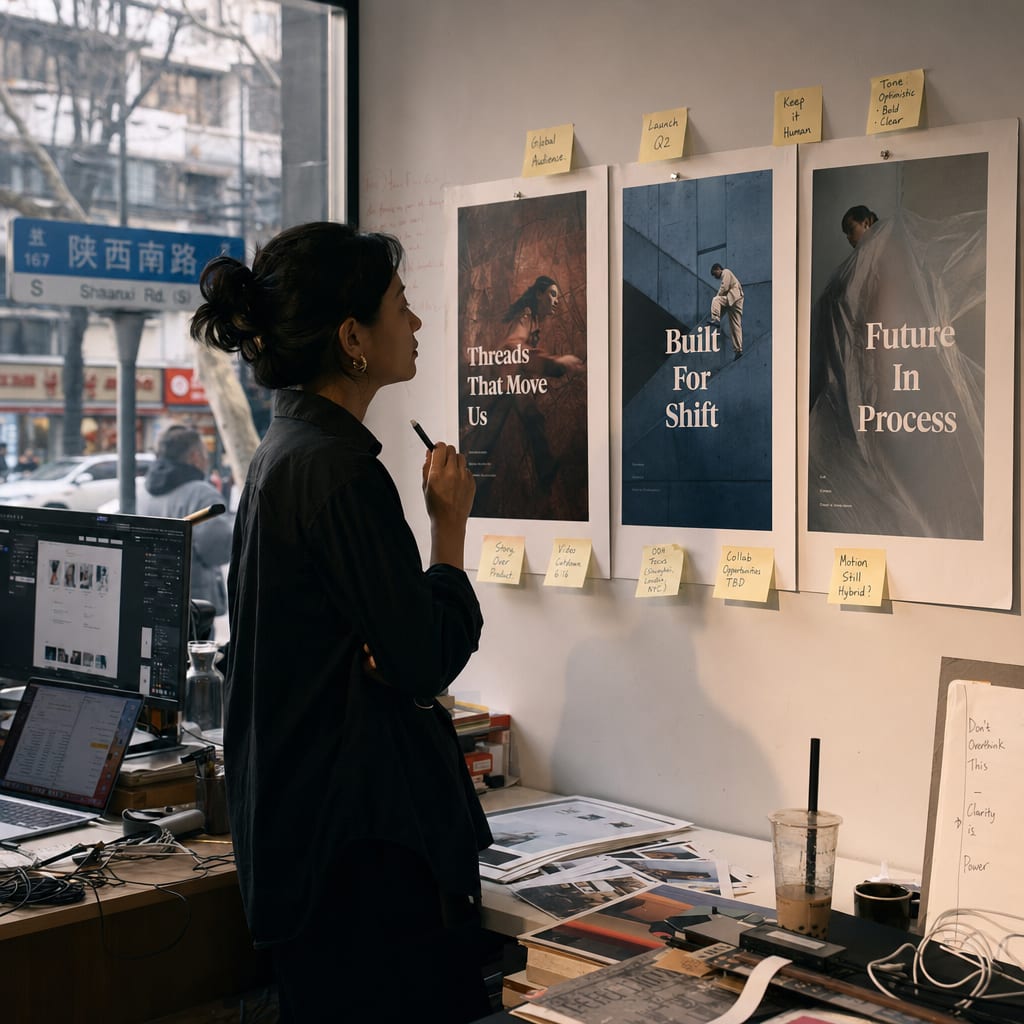
A creative director reviewing three large printed campaign key-visual mockups pinned to a plaster wall in a sunlit Paris atelier. Studio work / Concept routes

Why it matters

The route that ships
is round four.

A global beauty brand briefed three agencies on a relaunch in January. By April there were nine routes, sixty slides each, and three strategy directors in a Paris boardroom who could not tell the routes apart anymore.

The launch slipped a quarter. The budget went sideways. The route that finally shipped was the fourth round of an idea that had been in the room since week two.

We hear some version of that story from new clients most months. So we moved visualization into week one.

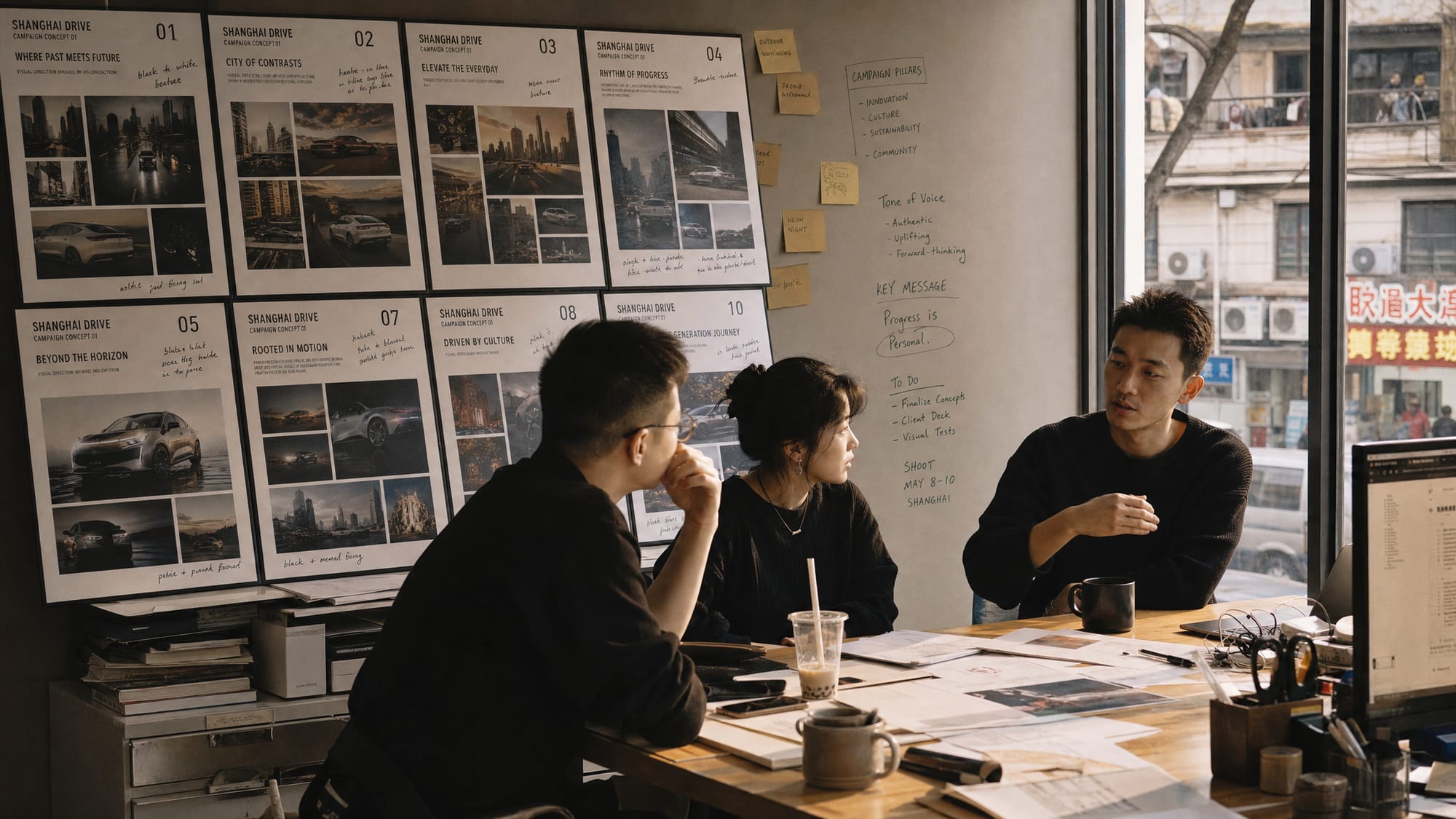
A Paris strategy boardroom in late afternoon, ten campaign concept boards leaned against the wall, three people mid-discussion at the table.
The boardroom in week ten

Across roughly 60 concept engagements between January 2024 and March 2026: three times the routes explored per brief, 70% less time from brief to approved direction, five days to first visualized round.

0x Creative routes per brief Explored, not just sketched
0% Less time to direction Brief to approved route
0 days To first visualized round Photoreal, in context

The work, defined

Two lanes, one creative platform.

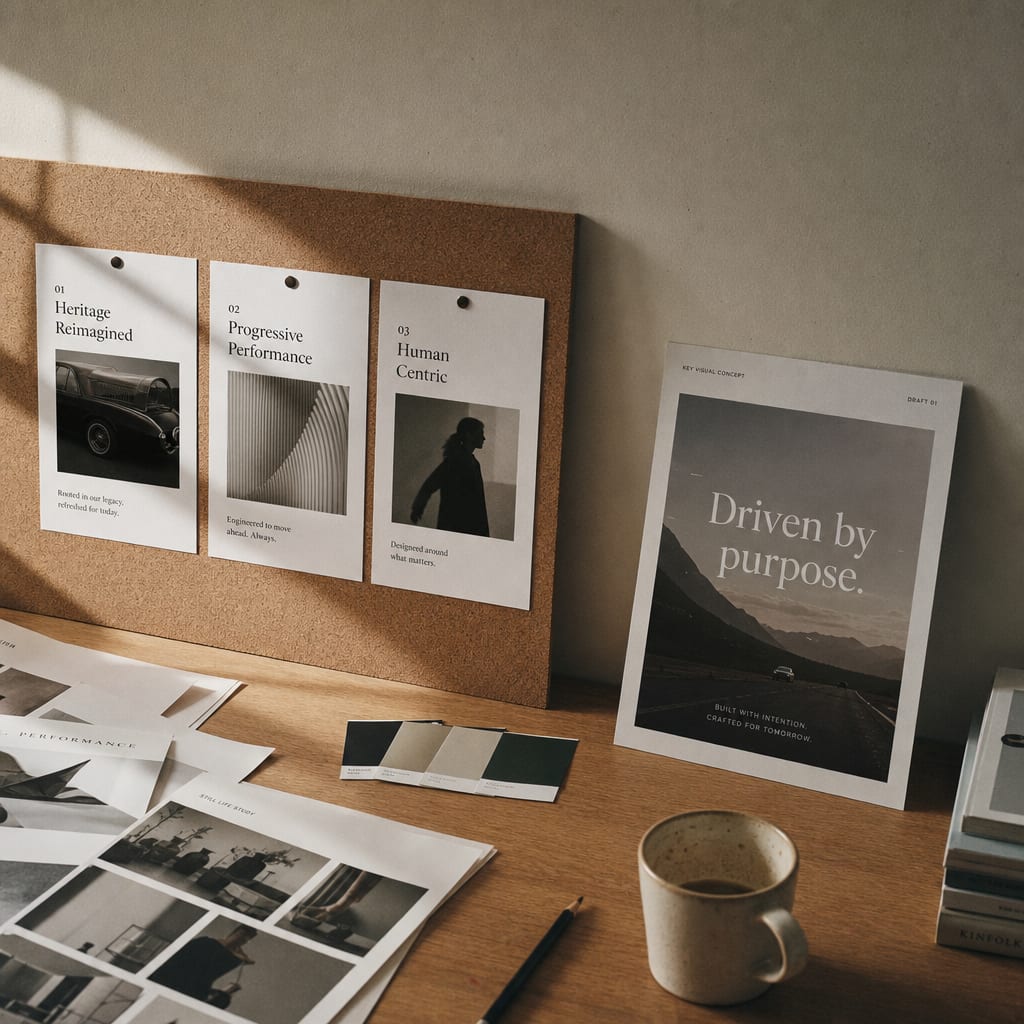
A studio worktable with three printed creative-territory cards pinned above it, tear-sheets and a key-visual mockup leaned to the right.
Creative direction

Coverage

Territory, voice and architecture.

A concept is not a tagline on a slide. It is a creative platform a brand can live inside for two years, across forty assets and six markets. We open with three to five distinct creative territories, each grounded in a real consumer insight, with a proposition, positioning rationale and architecture for how the route travels.

Tone of voice and copy direction sit alongside the territory. Headline territory, body voice, verbal system. Sample copy is written to prove the system holds before anyone starts production. Campaign architecture covers how the idea flexes from a 6-sheet to a 6-second TikTok, from a 200-page lookbook to a product page.

In scope

  • Creative territories
  • Consumer insight
  • Proposition
  • Tone of voice
  • Verbal system
  • Sample copy
  • Headline bank
  • Campaign architecture
  • Hub and spoke
  • Multi-market
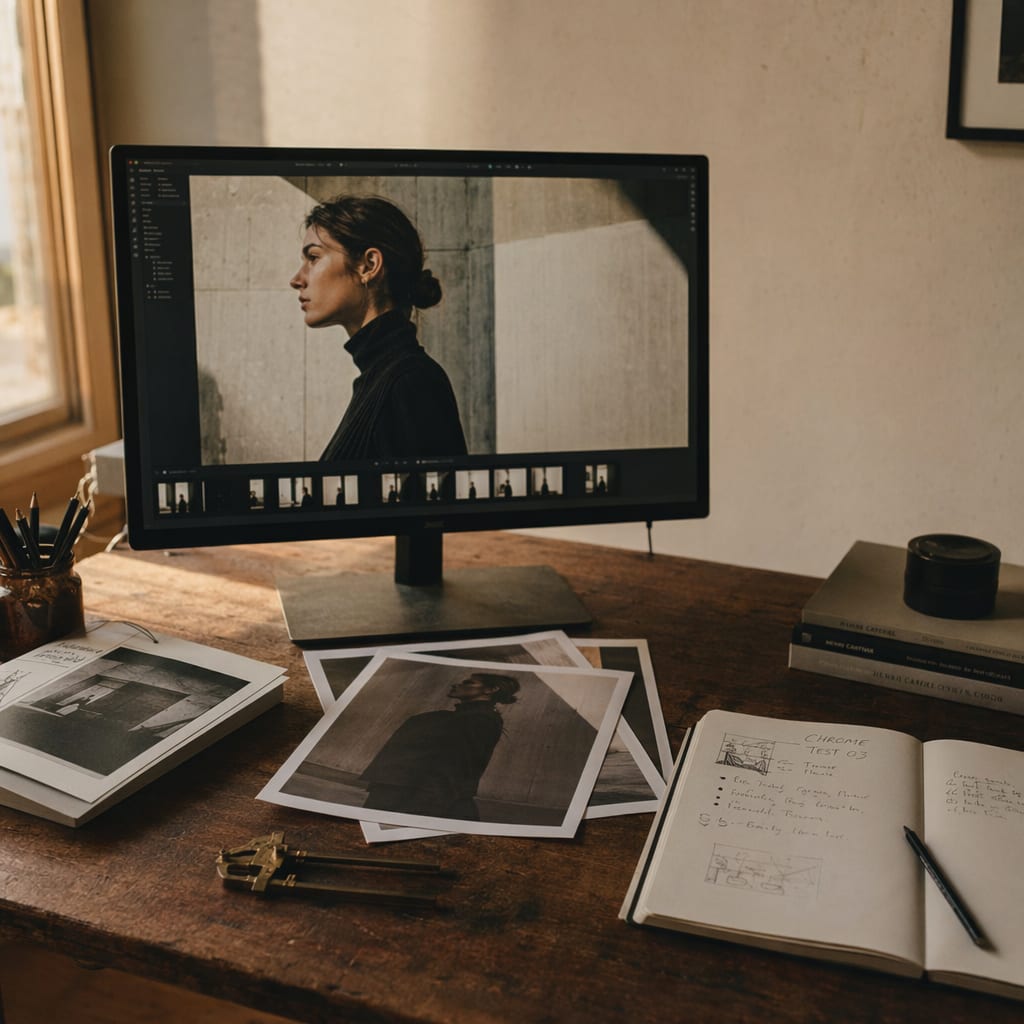
A monitor on a worktable showing a single photoreal hero key visual mid-review, beside printed references and color-graded test prints.
Visualization

Coverage

Key visuals and mood films, in week one.

Visualization moved to week one. By the time the deck lands in the boardroom, routes look like routes, not bullet points.

For each surviving route, we generate hero visuals at final composition. Photoreal, in market context, occasionally in a couple of executions. You see the concept the way a consumer would, not as a stock-photo placeholder under a tagline.

Mood films sit beside the key visuals: twenty to forty second cuts built from AI-generated footage, with pacing, music, edit rhythm. Clients use them to pre-test internally before a production day is booked.

In scope

  • Photoreal key visuals
  • In-market context
  • Hero film mockups
  • Mood films
  • Pre-test internally
  • Production-ready references
  • Brand-trained models
  • Final composition
  • Multiple executions

Contact sheet

Selected briefs.

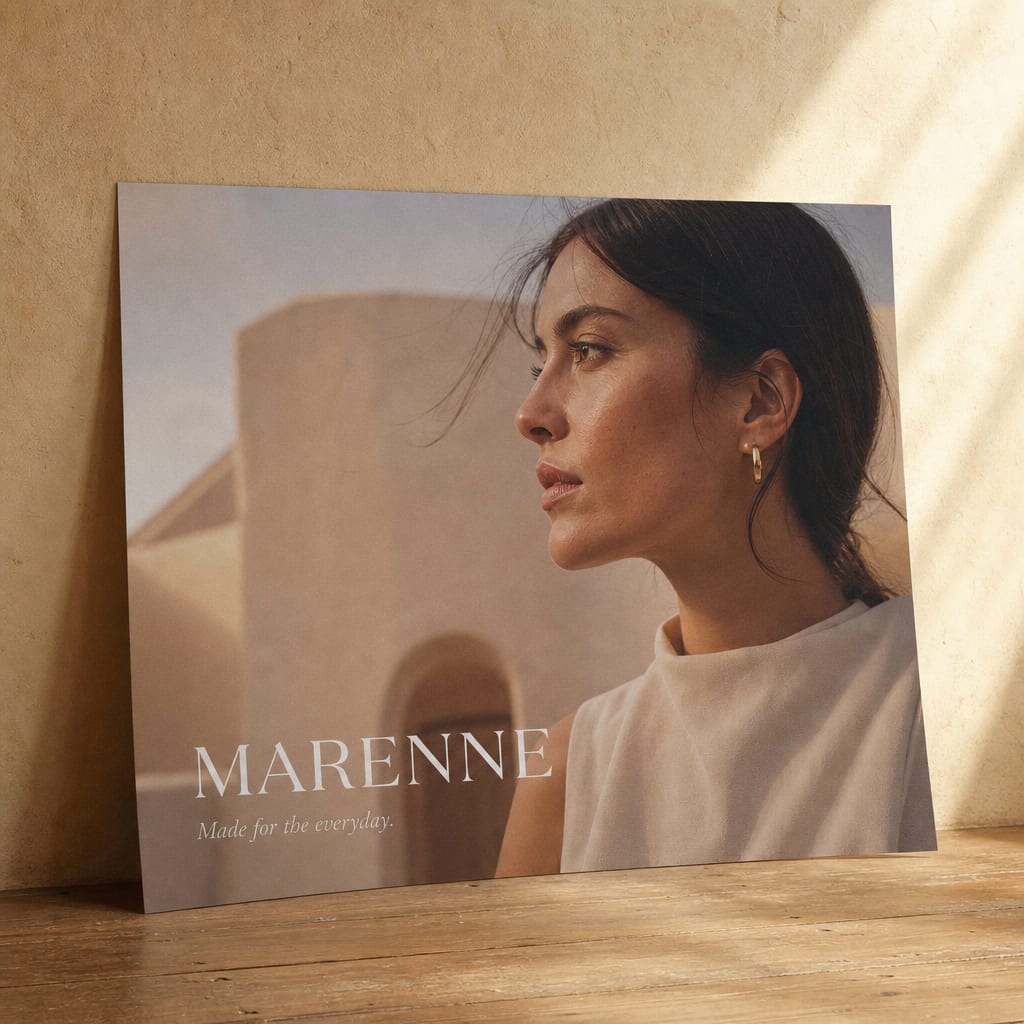
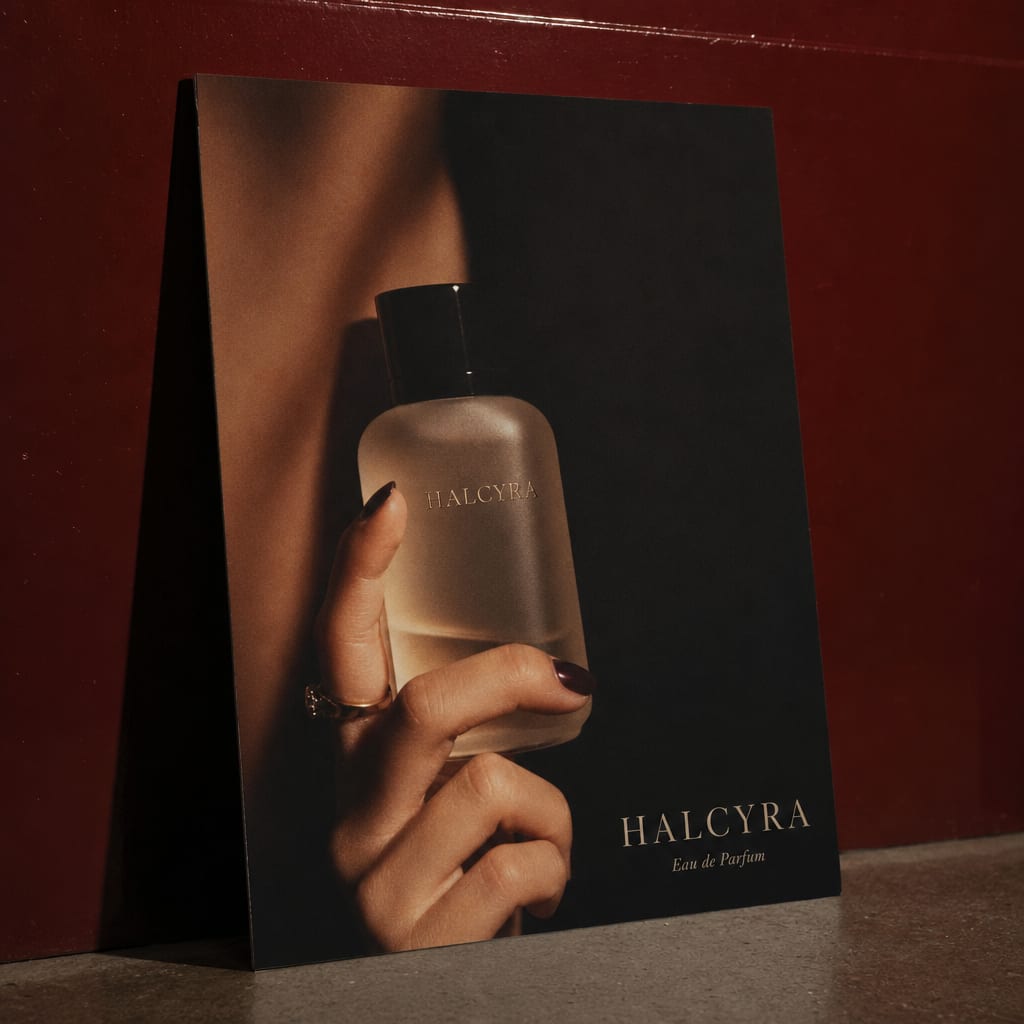
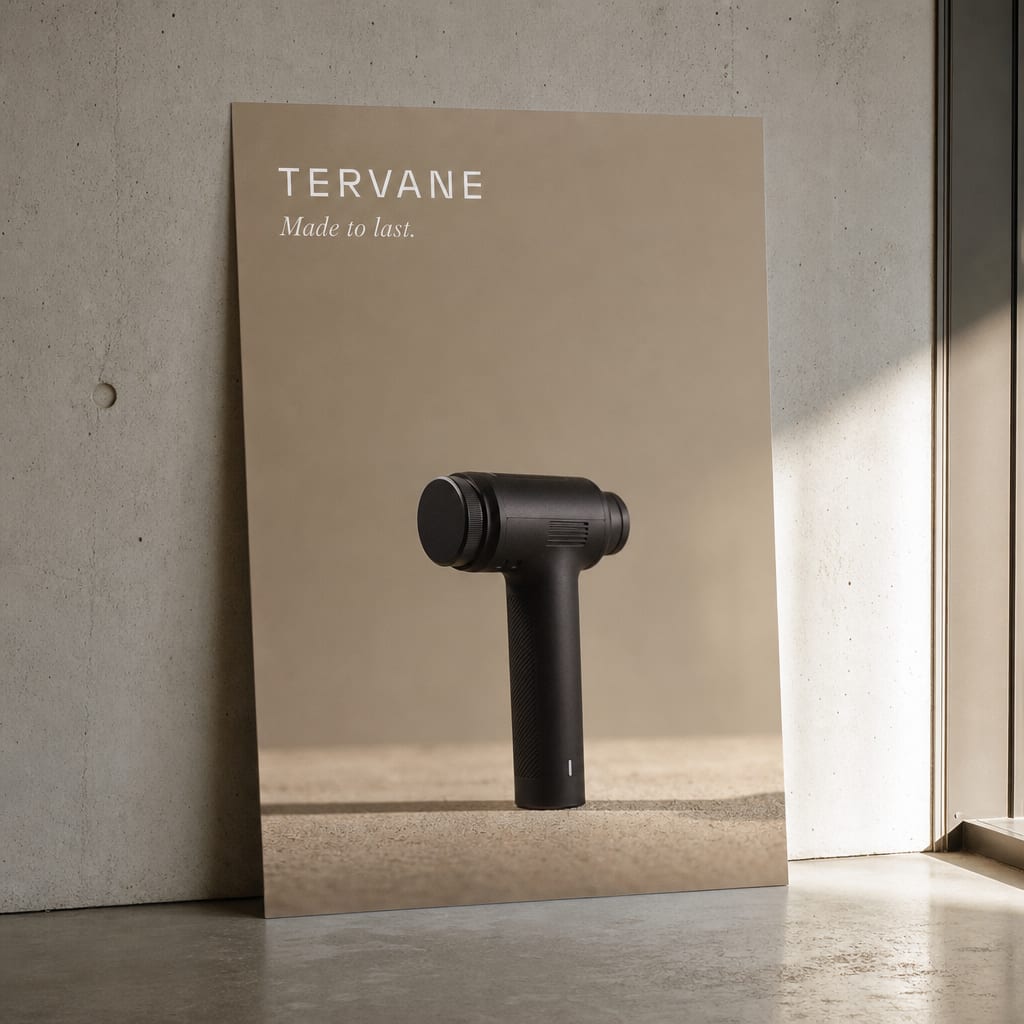
Briefs we have worked on in the past eighteen months, brand names withheld where NDAs apply. Each cover is an authored campaign artifact, not a stock pull.

A printed Marenne campaign key visual leaned against a sand plaster wall, tight profile portrait with the wordmark set in a modern serif.
Marenne FMCG relaunch platform
A printed Halcyra fragrance campaign visual against a burgundy lacquered wall, close-up of a frosted glass bottle held in shadow.
Halcyra Luxury fragrance world
A printed Tervane consumer tech campaign visual against pale concrete, single matte-black device on sand surface with the wordmark in modern sans.
Tervane Consumer tech product story
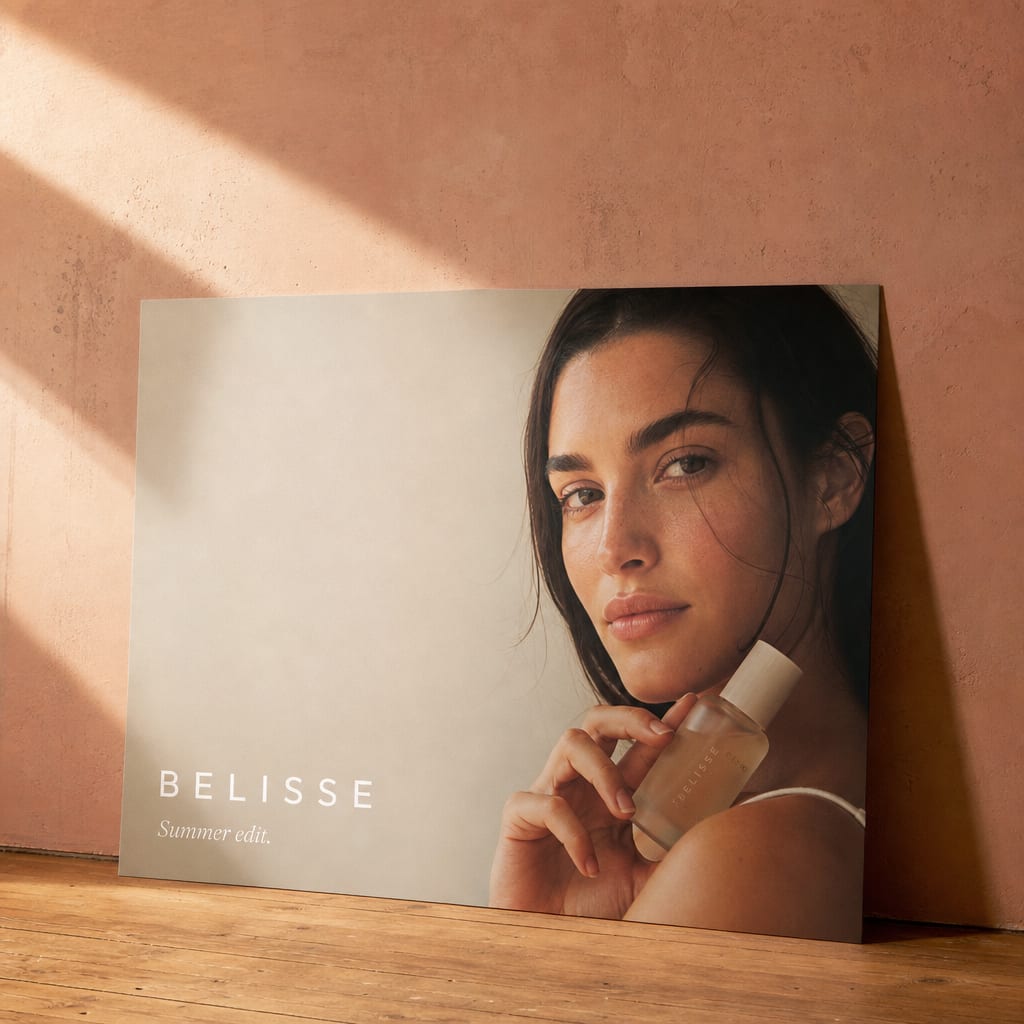
A printed Belisse beauty seasonal campaign visual against a peach plaster wall, three-quarter portrait with negative space for the wordmark.
Belisse Beauty seasonal territory
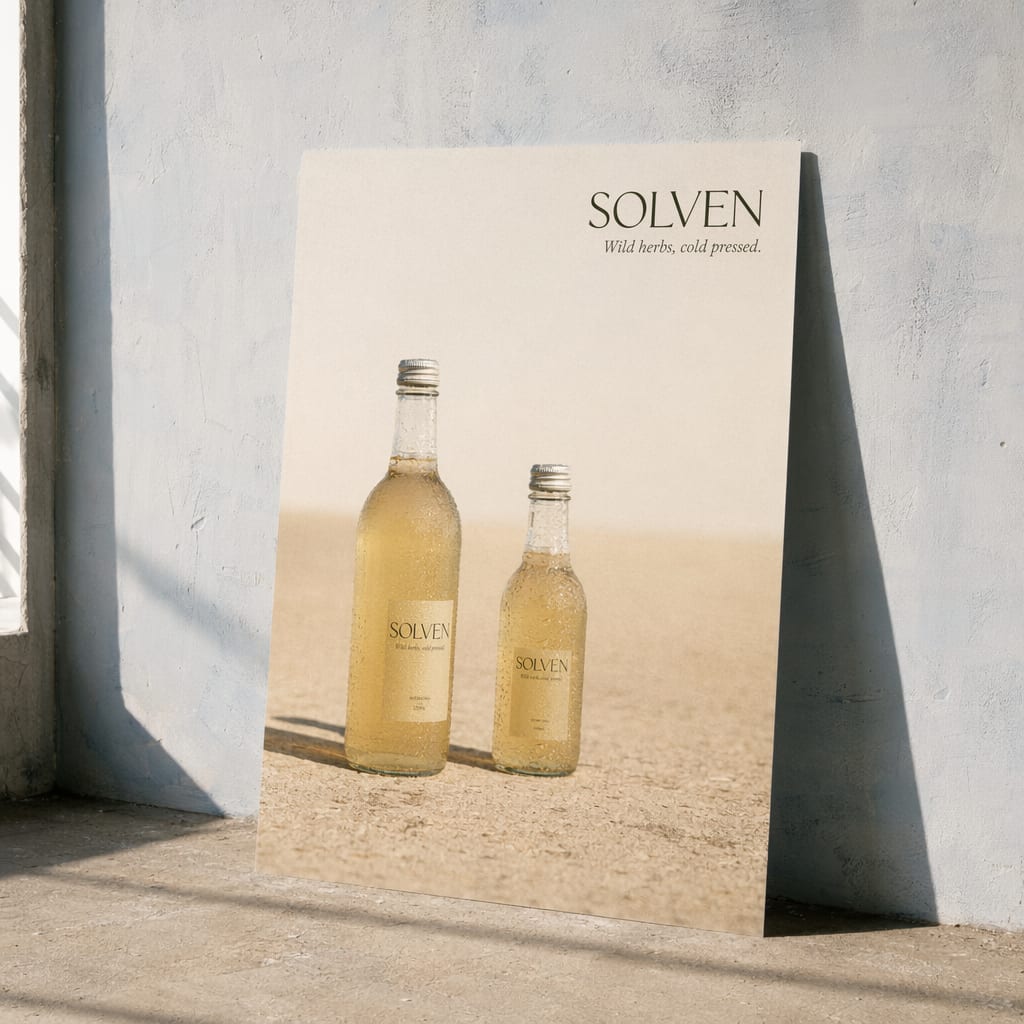
A printed Solven beverage campaign visual against chalky daylight, two bottles of pale herbal drink on a sand-toned table.
Solven Beverage cross-market platform
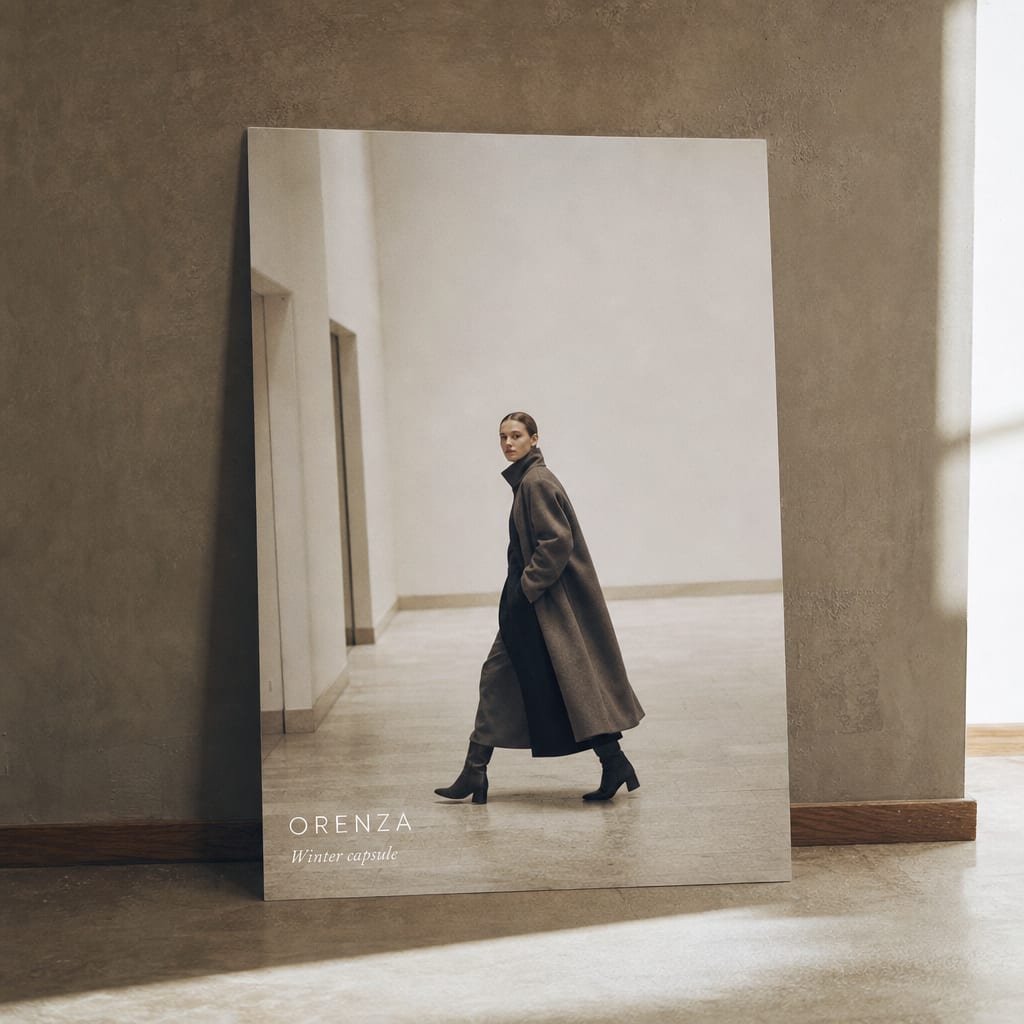
A printed Orenza fashion lookbook visual against a warm grey wall, full-length editorial of a model in a structured wool coat.
Orenza Fashion capsule narrative
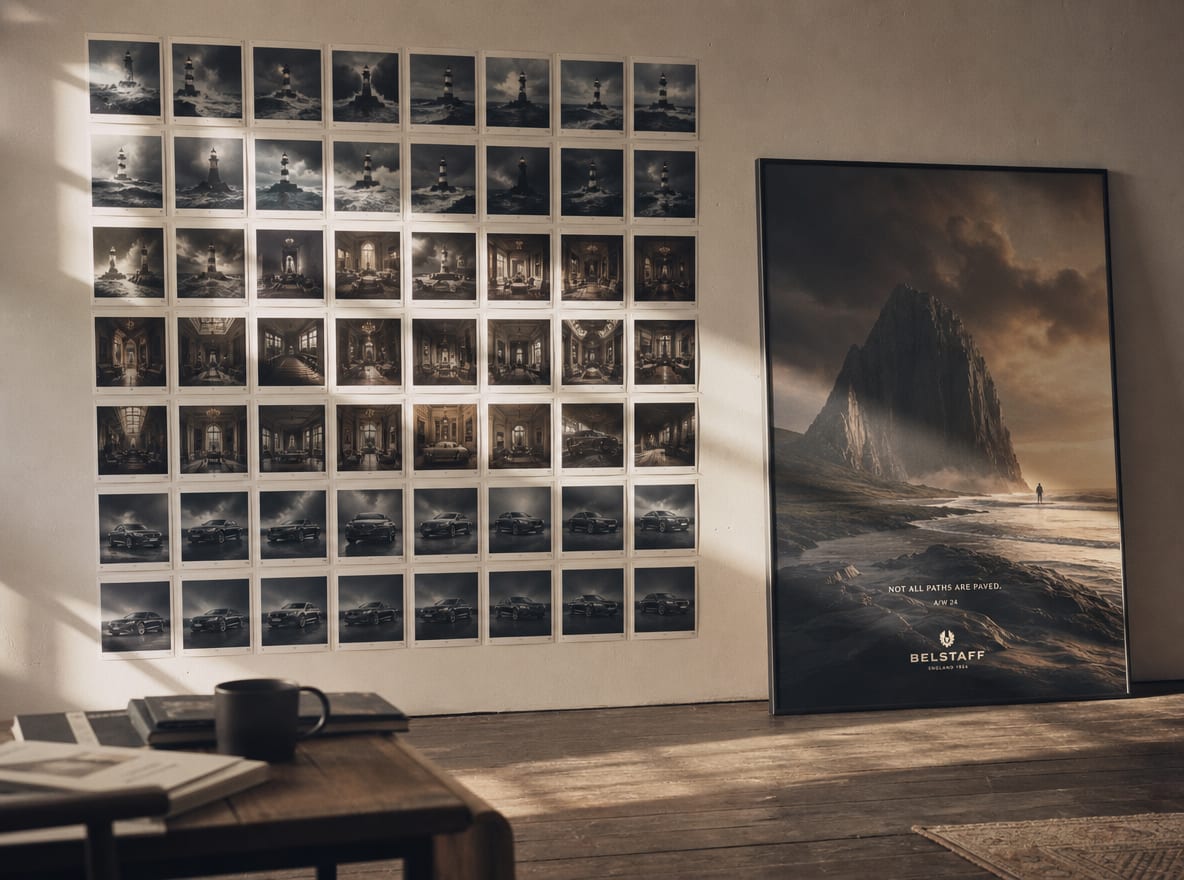
A studio wall covered with a contact-sheet print-out of forty-eight near-identical AI-generated images, beside a single authored campaign key visual that clearly breaks the pattern.
A close-up of a creative director's hand drawing a single decisive red mark on a printed campaign key visual.
12 motifs Out of 700 AI generations, all converged

The trap to avoid

The AI sameness trap.

In December 2025, researchers at Dalarna University ran 700 image generation loops across diverse prompts. All 700 runs converged on nearly identical visuals: what the authors called "visual elevator music."

Just twelve dominant motifs accounted for the output. Stormy lighthouses, palatial interiors, commercially safe aesthetics. Volume without judgment is not a moat, it is a liability. The Canva 2026 marketing study ran the consumer side: 70% of consumers say they can usually spot AI ads because they are missing soul, and 87% say the best advertising still needs a human touch.

  • Brand-trained references
  • Senior direction first
  • Final human pass
  • Commercially safe models

We do not run open-ended generation against a generic prompt and pick the least bad output. We build brand-trained references, write creative direction at the territory stage and use AI to extend a point of view rather than replace one.

Sameness is the default. Authorship is the discipline. The work has to defend its place in one sentence, or it does not ship.

Our process

Judgment is the
bottleneck now.

Every route used to need a photographer, a location, a model and a producer to herd them. Agencies hedged. Visualization is close to free now, so the constraint is judgment. Which territory lands. Which visual earns attention. Which headline does not sound like the last campaign in the category.

First two steps are where it is won or lost. The rest is execution.

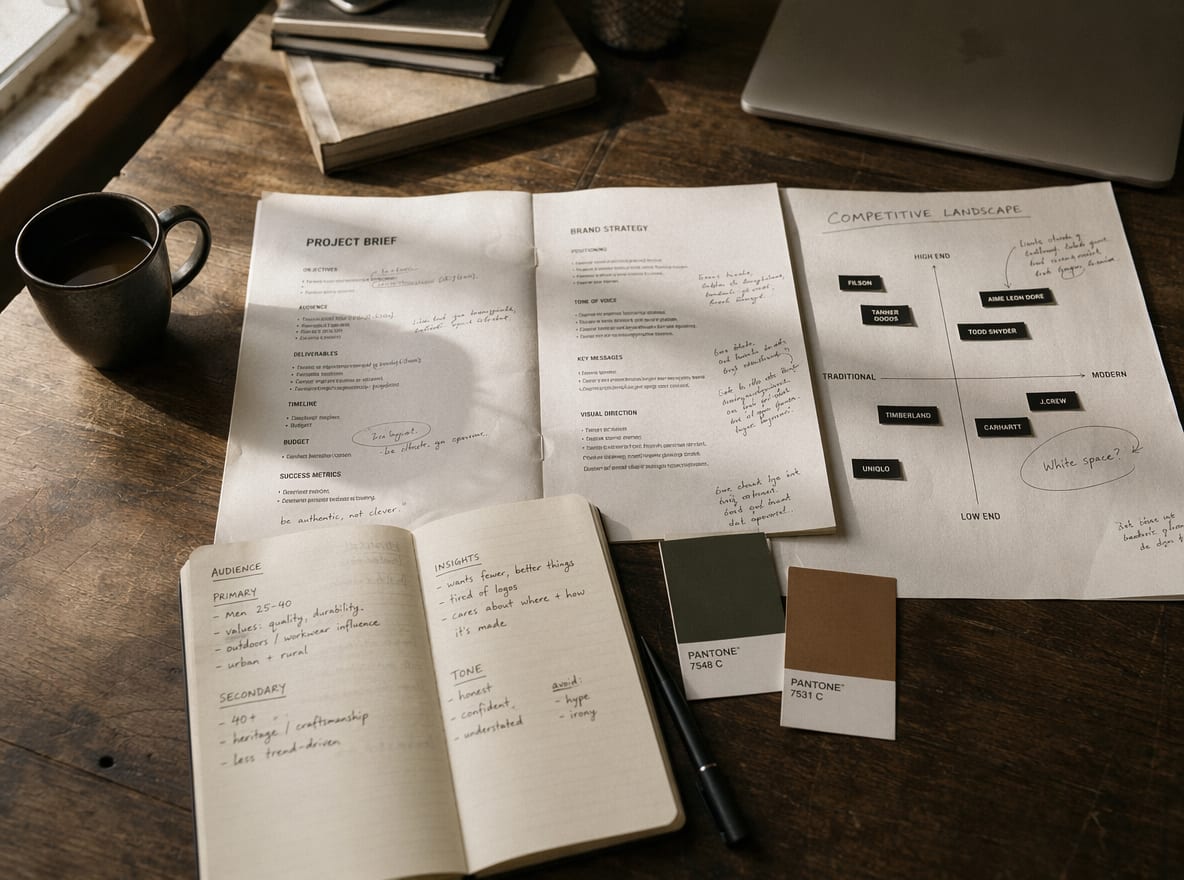
A studio worktable with a printed brief document, a competitive landscape map, a notebook open to audience notes, color chips and a coffee cup.
Where it is won

Brief and brand immersion.

Business problem, audience, competitive landscape, brand codes.

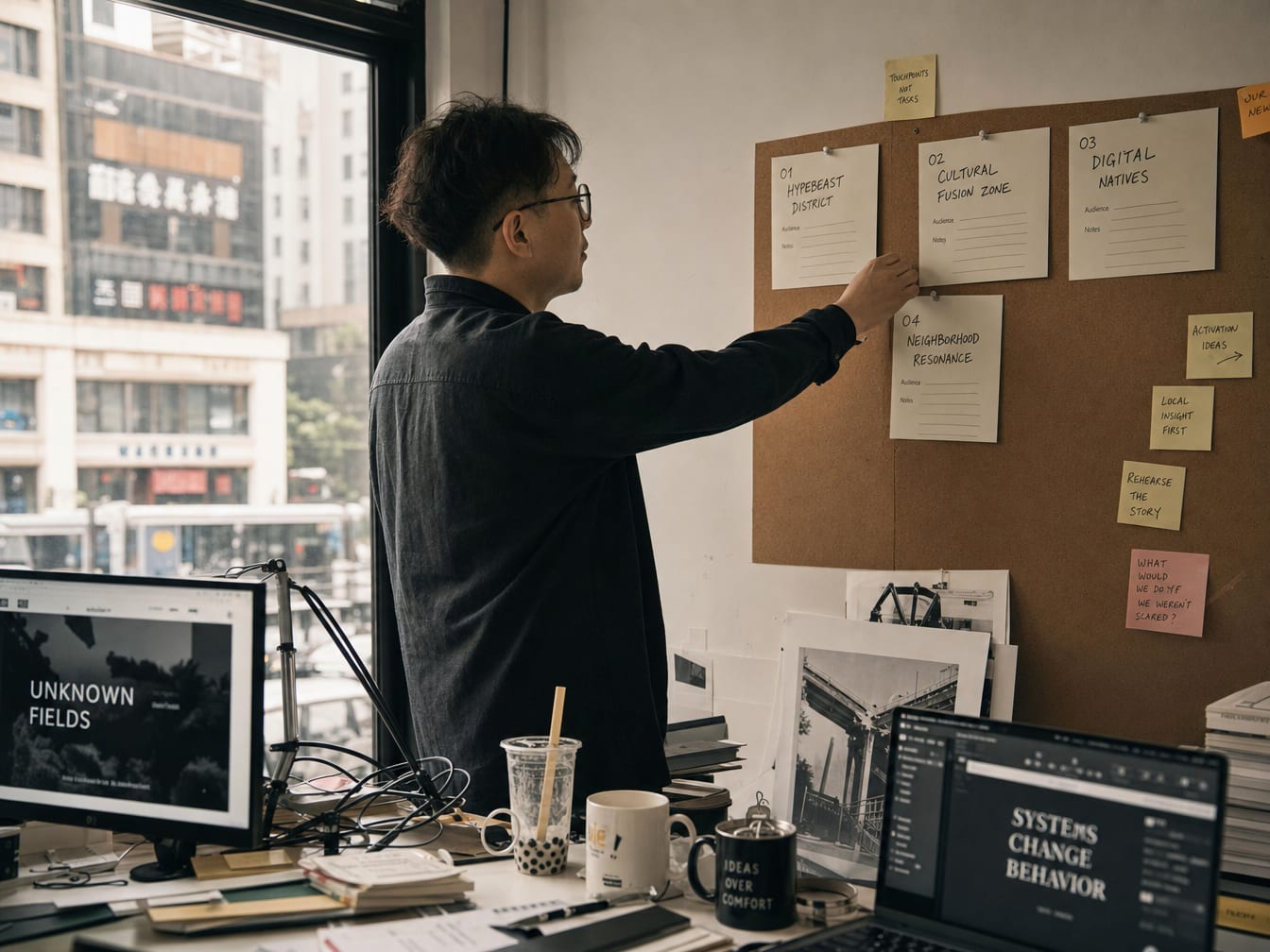
A senior creative director pinning a printed territory card onto a corkboard already showing three other territory cards.
Where it is won

Creative direction. The step that matters most.

Senior creatives set the territory and the structural concept. This is where a campaign becomes ownable and where a route earns the right to scale.

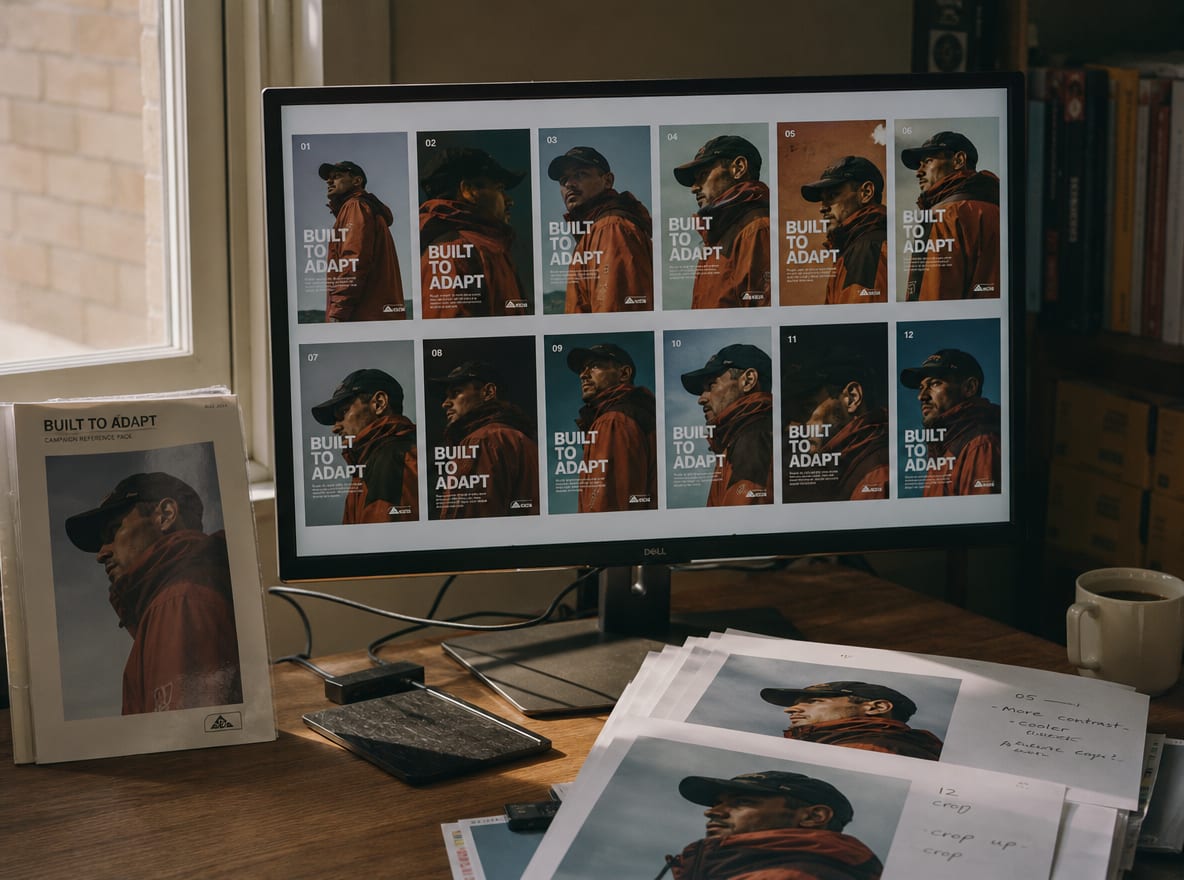
A monitor showing a grid of twelve AI-explored variations of the same campaign key visual, beside a printed reference pack and test prints.
The rest is execution

AIGC exploration.

Dozens of visual directions per route in parallel, faster than traditional sketching and closer to the final asset.

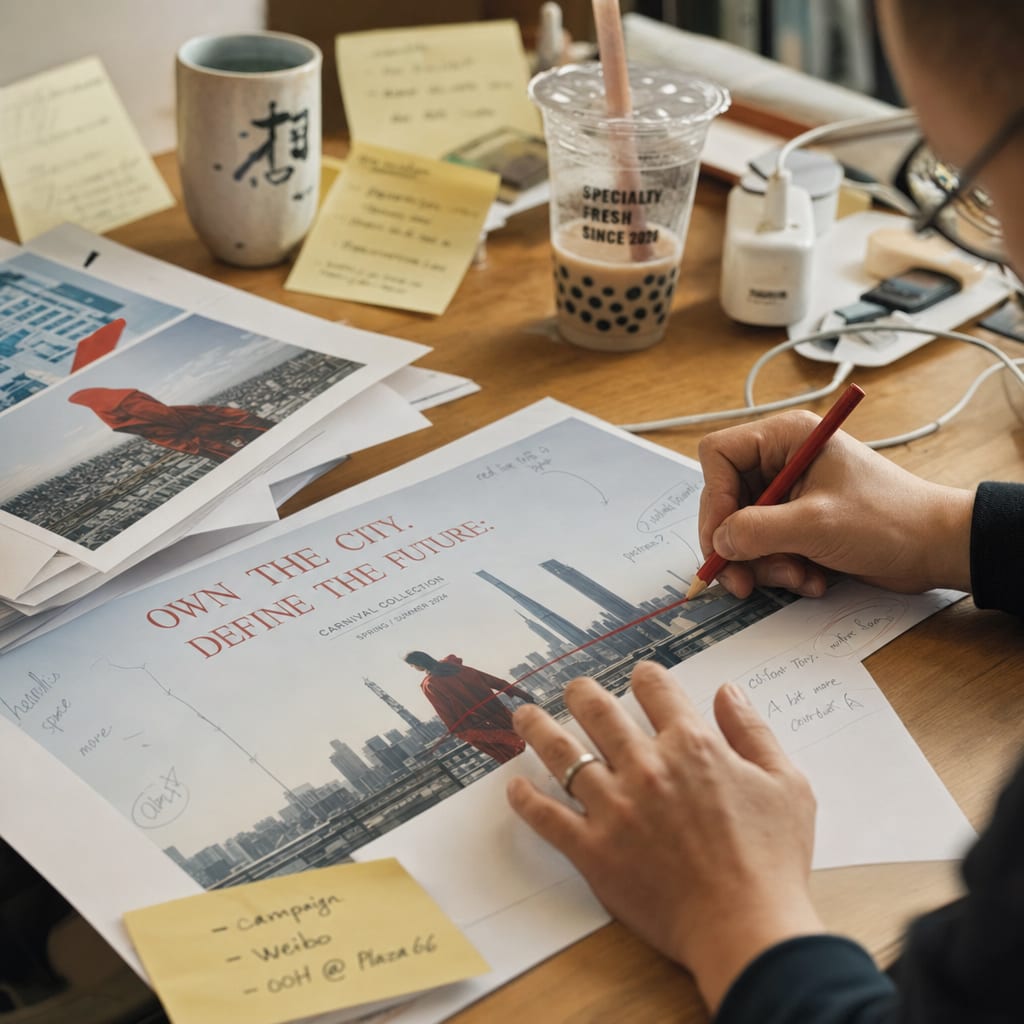
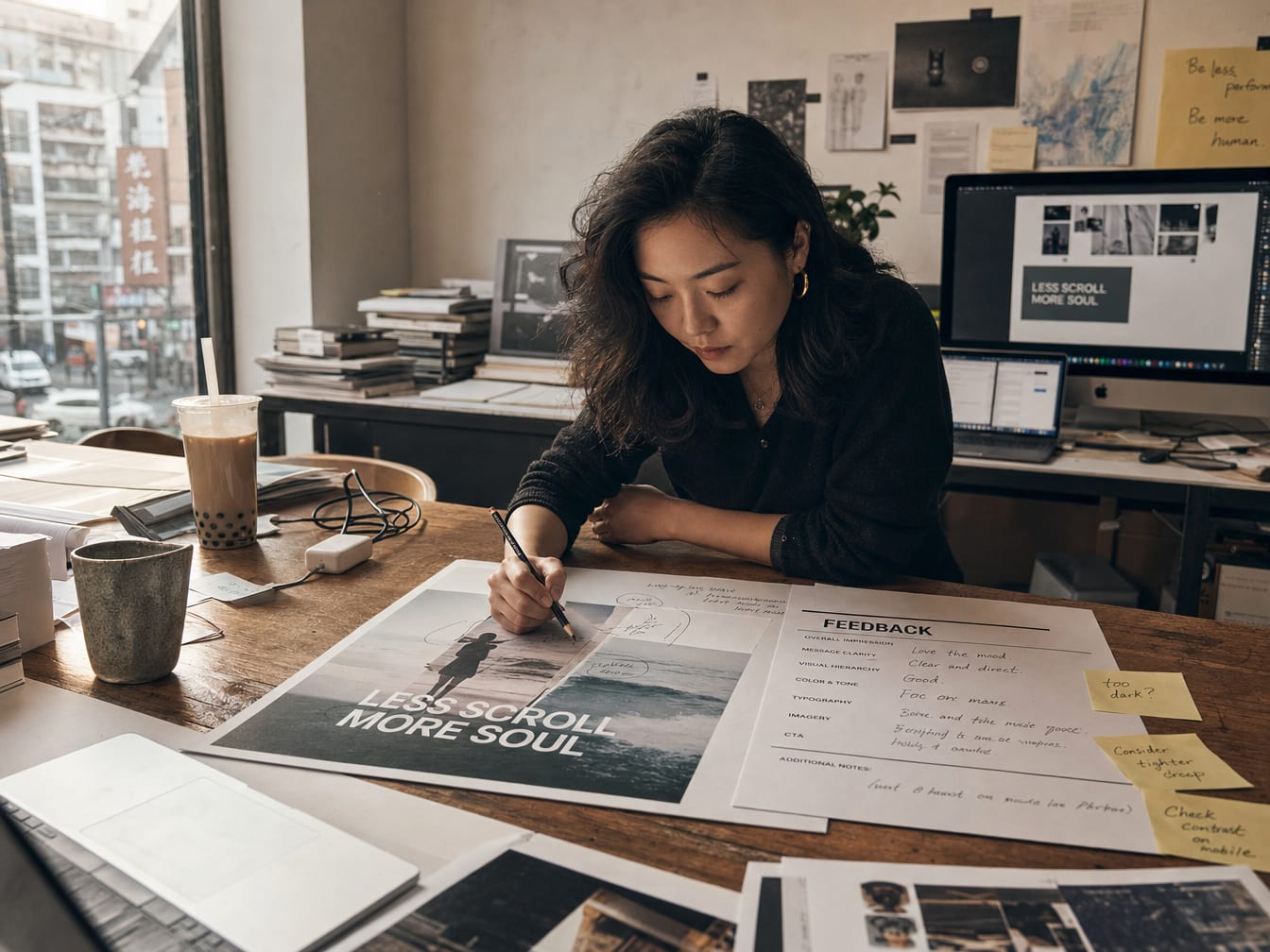
A creative director annotating a printed key visual with a graphite pencil, the print on a warm oak worktable beside a feedback sheet.
The rest is execution

Refinement and presentation.

The winning route sharpened into a presentable platform: hero visuals, mood film, copy system, architecture.

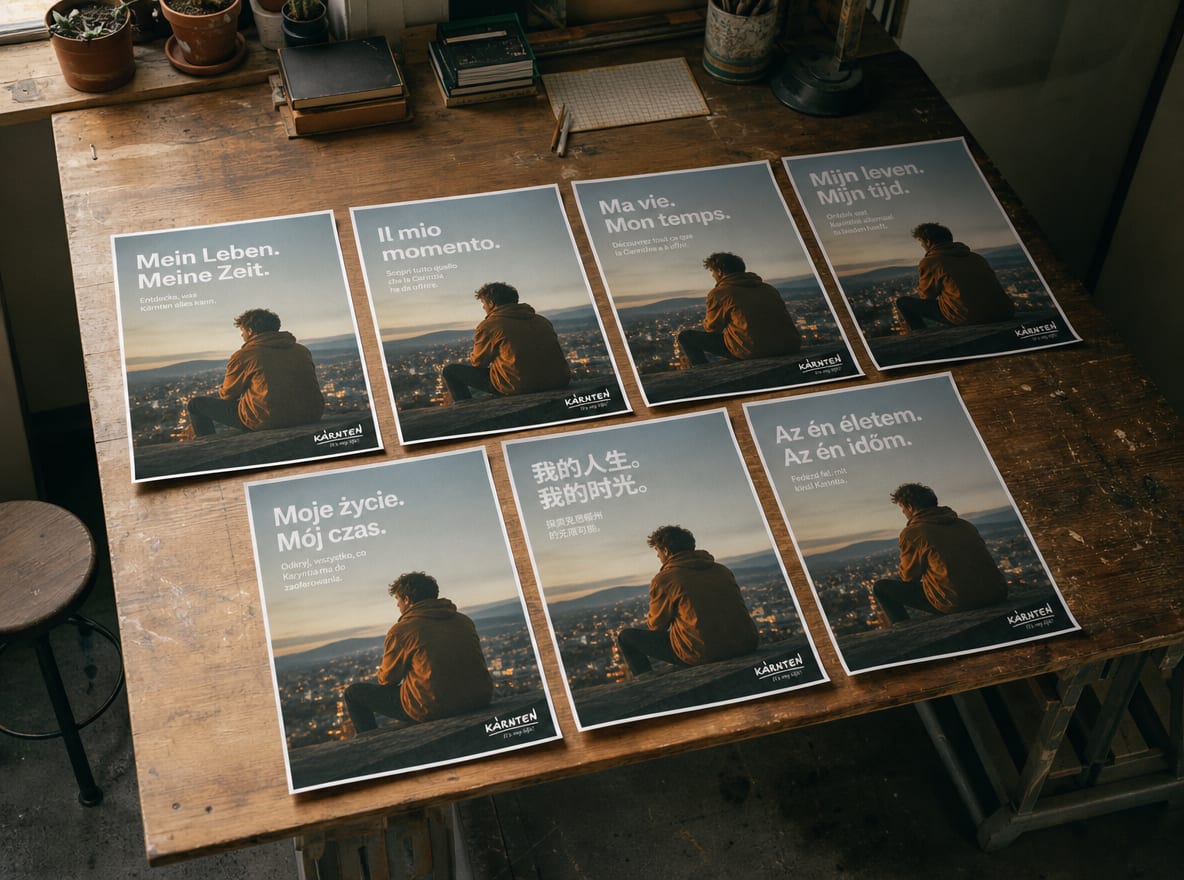
A worktable laid out with the same key visual adapted into seven market variants, different headlines and languages, central image consistent.
The rest is execution

Adaptation across markets.

Local executions of the hub idea: language, cultural references, market-specific extensions, channel cut-downs.

The new math

How AI changes
the math.

A client lands with a Q3 relaunch, three or four markets, six possible routes. The same brief, run two ways.

The old workflow Twelve weeks
Concepts Six weeks Adaptations Two weeks Production files Two weeks

Old workflow: brief three agencies, wait six weeks for concepts, two more for adaptation, another two for production references. Twelve weeks, three or four review rounds, and a room that can no longer tell the routes apart.

Our workflow Five days
Brief to visualized round Five days

Our workflow: senior creative direction in the first session, three to five territories visualized at hero quality inside the first week. Mood films cut from AI-generated footage before a production day is booked. The room picks one because the routes look like routes.

One to two weeks for first round. Three to four weeks total from brief to approved concept and architecture. Faster on a route extension. Tight launch window, we compress to ten days for a single-territory focused brief.

Project-based for one-off concepts. Monthly retainer for clients running multiple campaigns a quarter. We scope firm after the first call.

We do not publish pricing because real concept work scales with the brief. Single-market, single-territory in three weeks sits in a different range from multi-market platform work across six routes. We quote firm after a thirty-minute call, with the scope written up so you can compare it like-for-like against any other partner.

Three rounds on the final concept, two on the territory stage. Most projects close inside two rounds at each stage. The visualization step front-loads alignment, so revision cycles run shorter than on traditional concept work.

The brief, even a rough one. Existing brand guidelines if they exist. Recent campaign work, with notes on what tested well and what did not. Audience research, even fragments. References you admire or want to differentiate from. The fewer assumptions we have to make, the sharper round one comes out.

Senior creatives with agency backgrounds (Publicis, Ogilvy, BBDO, Wieden) lead every project. AI specialists run the visualization layer. Strategists sit in the brief and the review. No junior teams running concept work on their own.

Like you, ideally a sharper version of you. We train our visualization references on your brand world, your past campaigns and the references you respond to. For brands without a strong existing system, we calibrate against direct competitors and the direction you give us.

By not running open-ended generation against generic prompts. Researchers at Dalarna University ran 700 image generation loops and found models converge on twelve dominant motifs when left to themselves. Our work starts with senior creative direction, brand-trained references and a clear point of view. The AI extends the direction. It does not pick it.

By anyone. We deliver concepts as production-ready creative systems with full direction documentation. Your existing agency, in-house team or production partner can take it forward. About half our concept clients produce with us. The other half take it elsewhere.

You own the final deliverables. We use commercially safe models, document the workflow and keep the strategic IP, the territories, headlines and architecture, entirely original. For the legal side in full, see our Copyright and AI guide .

Yes. Most of our concept work is multi-market by default. Creative talent recruited from the markets you sell into. We pressure-test territories against cultural references in each market before recommending the route that travels best.

Not in this scope. Concept creation is campaign-level creative direction. Naming, identity systems and full brand strategy work sit in a separate practice. If a project needs both, we sequence them or partner with a specialist branding studio.

Try us

Try it on a real
brief.

Send us a concept brief. You will hear back from a creative director, not a salesperson. First round lands inside ten days. Whatever we produce in that round is yours, regardless of whether you continue with us.