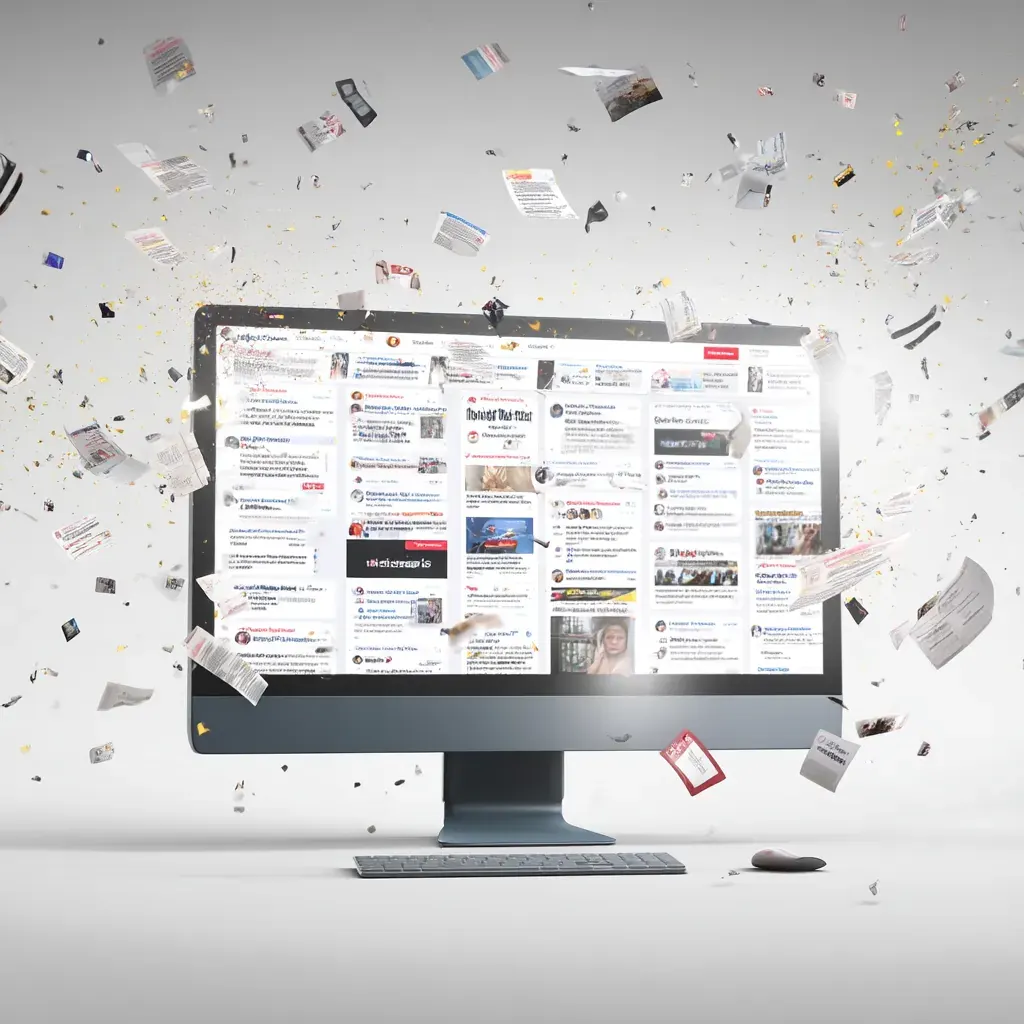

How agentic AI is reshaping data work for creative teams
Autonomous agents now handle the analytics grind. The analyst's job shifts from spreadsheets to brand intelligence.
What if your next data partner never missed a trend, and processed consumer insights while you brainstormed? Agentic AI is reshaping data work for creative and brand teams.
Autonomous AI agents are changing creative analytics: which insights they surface on their own, and how the analyst evolves from spreadsheet operator to strategic brand-intelligence architect.
The rise of autonomous intelligence
Today's brand landscape generates overwhelming data streams across social platforms, campaigns, and consumer touchpoints. Autonomous AI agents change that by operating continuously, monitoring brand sentiment, tracking creative performance, and identifying opportunities without fatigue.
They manage the entire brand-intelligence pipeline, from collecting consumer signals to producing the insights that once required dedicated analysts. That automation frees creative professionals to focus on interpreting insights and driving strategic brand decisions.
Will creative data analysts become obsolete?
No. But the role is transforming dramatically.
Much as Photoshop freed designers from manual retouching so they could focus on creative strategy, AI eliminates the tedious work, data cleaning, repetitive reporting, standard analyses, and creates time for solving creative challenges and making breakthrough decisions.
AI processes numbers, but it cannot understand creative significance. It cannot explain to a creative director why engagement dropped, or read a cultural shift and give different teams the right insight.
What creative data analysts do today
Current work centers on five areas:
- Creative performance analysis. Tracking asset and campaign performance across channels.
- Consumer insight mining. Identifying behavioral patterns and cultural trends.
- Campaign reporting. Converting data into compelling dashboards.
- Strategic brand intelligence. Interpreting patterns to answer crucial creative questions.
- Stakeholder communication. Translating findings for creative teams.
A new era in creative intelligence
Imagine a cultural analyst who never sleeps and learns from every campaign. These systems understand brand objectives, identify consumer signals, perform creative analysis, and recommend optimizations while learning your brand's voice.
They excel at multitasking, analyzing sentiment, tracking performance, and monitoring trends at once. As brand-intelligence detectives, they hunt data across platforms and organize metrics automatically.
Large language models interpret human language, so you ask complex questions directly: "Why did our sustainable fashion campaign perform better in urban markets?"
Where agentic AI excels
Automated creative performance analysis
- Integration. Connects social APIs and campaign platforms with real-time monitoring.
- Assessment. Scans engagement patterns and categorizes assets by performance tier automatically.
- Insights. Transforms raw data into creative strategy recommendations.
- Output. Generates dashboards and predictive insights for optimization.
Auto-generated intelligence reports
- Templates. AI fills frameworks with creative insights and strategic recommendations.
- Integration. Connects performance pipelines with intelligent error handling.
- Narratives. Generates performance-trend explanations with brand context.
- Distribution. Creates adaptive dashboards with automated stakeholder alerts.
Where human intelligence remains essential
Interpreting creative context
AI reports that engagement increased 23%, but it cannot understand why: a competitor campaign, a cultural moment, or a creative breakthrough. Human analysts investigate:
- Performance drivers. Uncovering the creative reasons behind the metrics.
- Strategic connection. Linking performance drops to creative missteps or messaging changes.
- Pattern recognition. Telling seasonal cycles apart from genuine performance issues.
Asking the right questions
AI recognizes patterns, but it does not know which creative questions matter:
- Success metrics. Knowing what drives brand success, aesthetic consistency or conversion rates.
- Strategic focus. Aligning work with creative leadership, design teams, and campaign needs.
- Challenging assumptions. Questioning whether the segments, metrics, or data truly reflect brand impact.
Augmentation, not replacement
AI handles rapid analysis; humans bring brand context and strategic creativity. The partnership achieves more than either could alone.
The evolution path is clear. AI eliminates data cleaning, which lets analysts focus on brand challenges and innovation. Analysts master AI tools while developing creative strategy and cultural intelligence. And demand grows for professionals who connect AI capability with brand strategy.
The creative intelligence future
Agentic AI creates opportunities rather than threats. The future belongs to analysts who collaborate with AI systems. Success means embracing AI tools while developing the skills that amplify them: creative strategy, stakeholder communication, and AI orchestration.
Creative analysts who treat AI as a partner will define the industry's future, providing unprecedented strategic value and enabling breakthrough creative decisions.